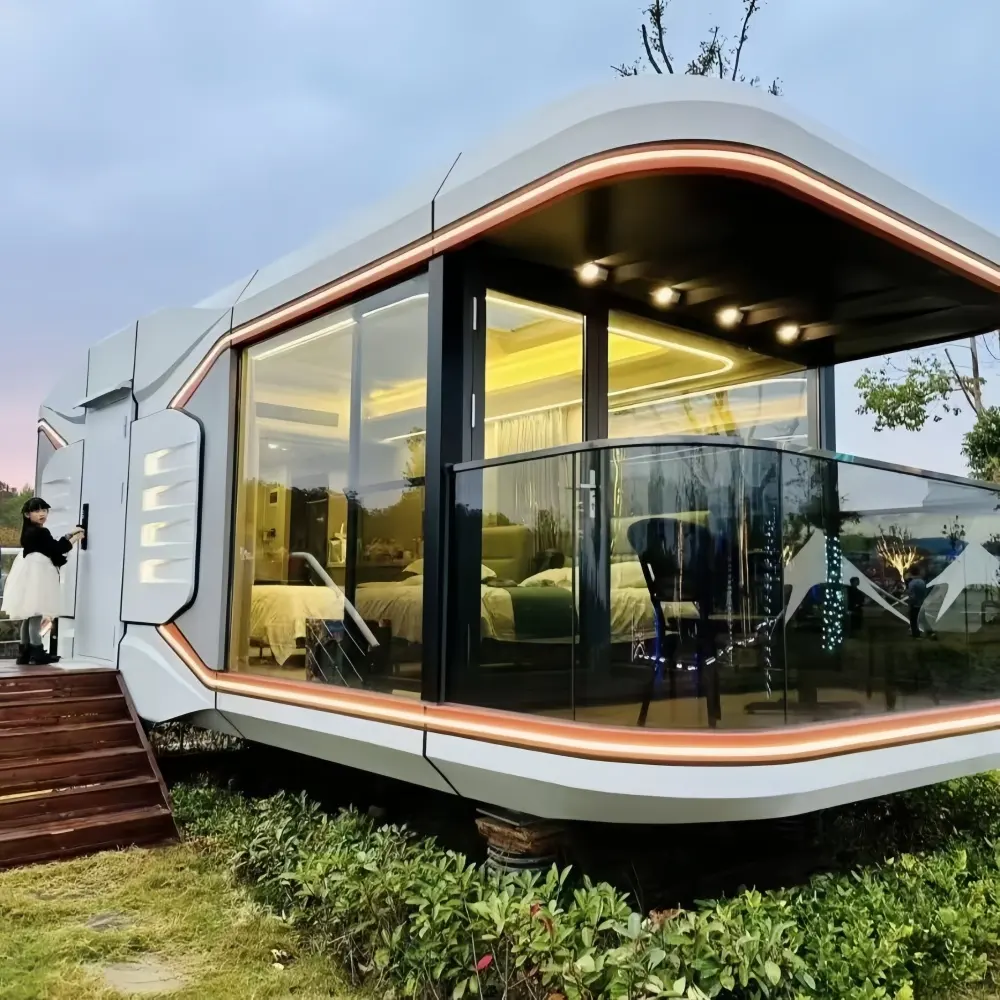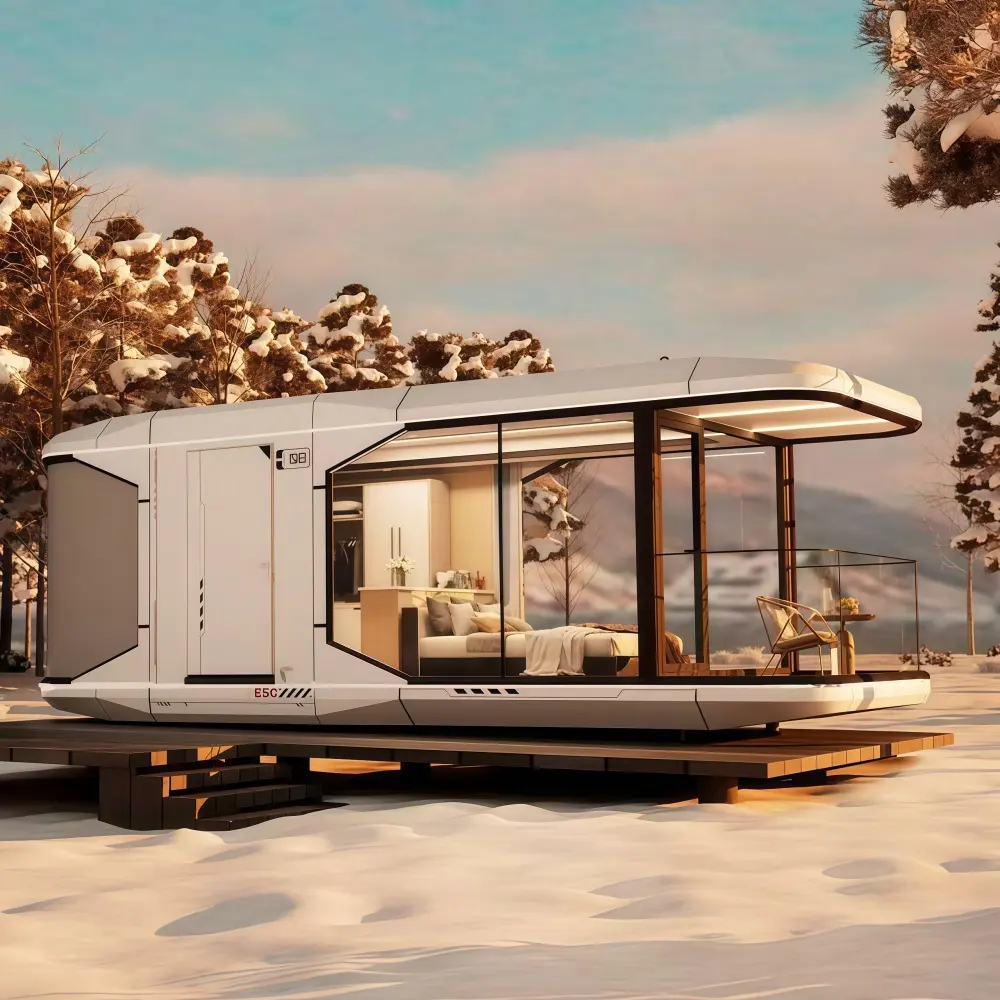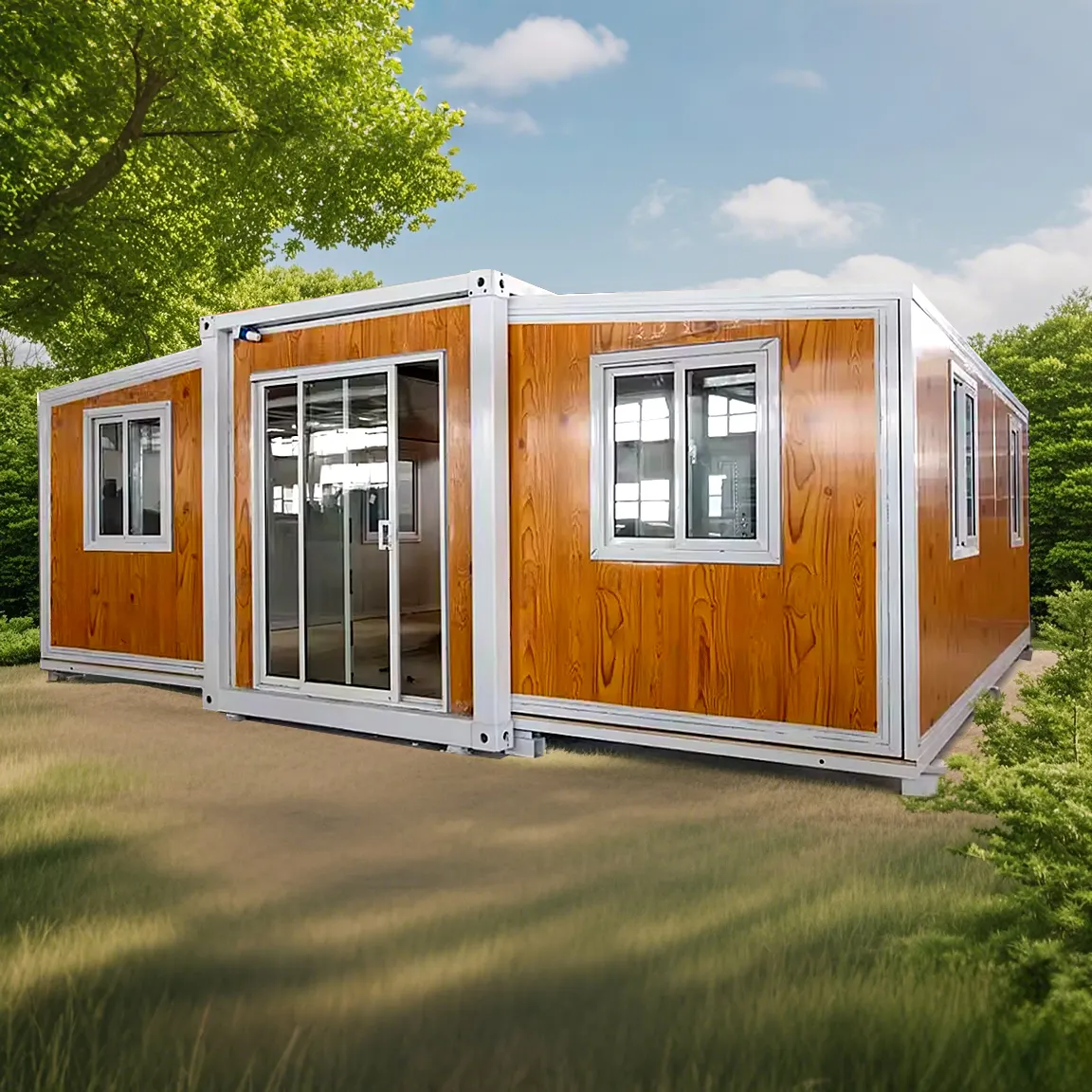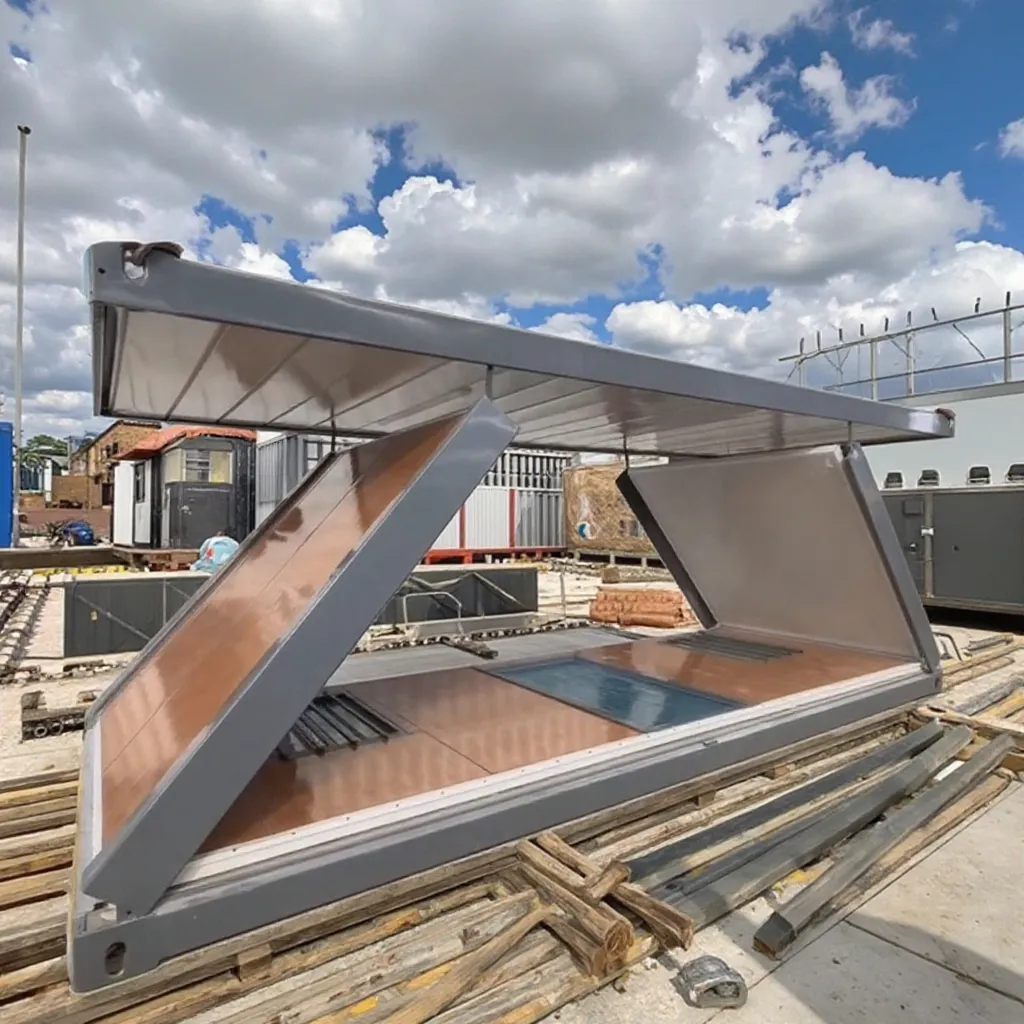
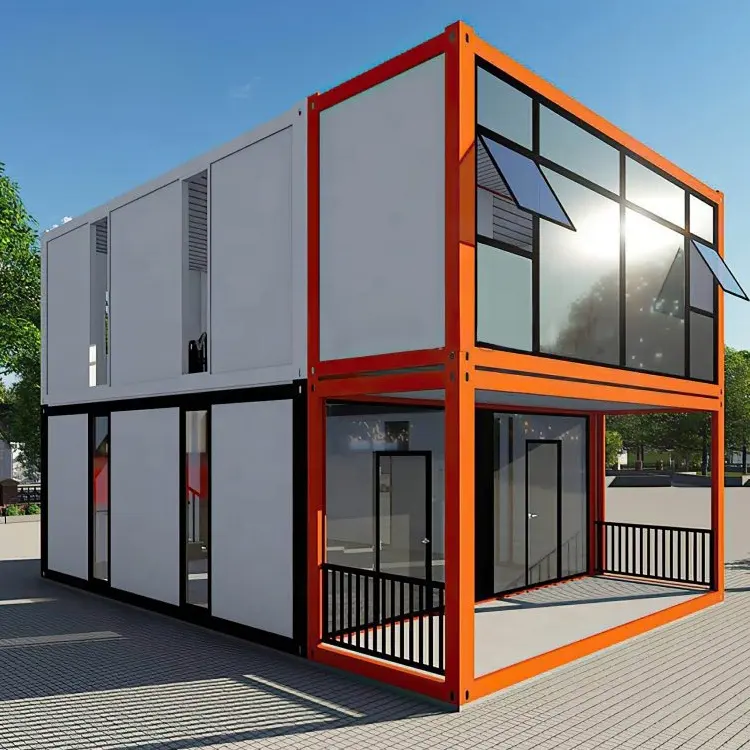
In today’s fast-paced world, traditional residential construction methods are facing unprecedented challenges. An innovative building concept—prefabricated homes—is quietly transforming our perception of home construction. Prefab homes not only improve building efficiency but also integrate innovative design and eco-friendly principles, bringing a true revolution to modern residential construction. This article will explore the development history of prefabricated homes, the construction process, and why they might be your ideal housing choice.
The Rise of Prefabricated Homes
Prefabricated homes are not a new concept. In fact, this idea dates back to the early 20th century when prefab technology began to be applied in response to housing shortages. However, it wasn’t until recent decades, with technological advancements and the popularization of sustainable development concepts, that prefabricated homes truly gained widespread recognition.
Today, prefab homes are no longer simple temporary dwellings but permanent residences that incorporate high-quality materials, precise engineering, and modern design. From Nordic minimalist style to American country style, prefab homes can satisfy various aesthetic requirements while maintaining their core advantage of efficient construction.
The Construction Process of Prefabricated Homes
The construction process of prefabricated homes differs fundamentally from traditional housing. Let’s understand this process step by step:
1. Design and Planning
Like any building project, prefabricated homes begin with detailed design and planning stages. However, prefab homes require more precise design because all components will be produced in a factory environment. This stage includes:
- Determining the house layout and dimensions
- Selecting interior and exterior decoration styles
- Planning water and electrical systems
- Establishing building materials and insulation solutions
- Obtaining necessary building permits
2. Factory Production
This is the biggest difference between prefab homes and traditional construction. In a well-controlled factory environment, different parts of the house are produced simultaneously:
- Assembly of wall modules, including pre-installed electrical wiring and plumbing
- Manufacturing of floor and ceiling units
- Preparation of roof components
- Custom production of doors and windows
- Pre-assembly of special areas such as kitchens and bathrooms
The factory environment not only ensures production quality but also greatly reduces weather delays, improving overall efficiency.
3. Site Preparation
While factory production is ongoing, preparation work at the building site is also taking place:
- Site clearing and leveling
- Construction of foundations or basements
- Preparation for connecting utilities like water, electricity, and gas
- Installation of necessary drainage systems
This parallel work mode is a key factor in the rapid construction speed of prefab homes.
4. Transportation and Installation
When factory components are completed and the site is ready, prefabricated parts are transported to the building location:
- Special vehicles transport modules to the site
- Cranes assist in precisely positioning large components
- Professional teams connect the various modules
- Ensuring structural stability and proper sealing
For most prefab homes, the installation of the main structure can be completed in one to several days, which is much faster than traditional construction.
5. Completion and Finishing
After installation, a series of finishing work needs to be done:
- Connecting all internal systems (electricity, water, heating, etc.)
- Completing interior decoration details
- Installing final fixtures and equipment
- Conducting quality checks and necessary adjustments
Although this stage still requires time, the overall timeframe is still much shorter than traditional construction because most of the work has already been completed in the factory.
Advantages of Prefabricated Homes
Having understood the construction process, let’s explore why more and more people are choosing prefabricated homes:
Time Efficiency
The most significant advantage of prefabricated homes is their fast construction speed. Since factory production and site preparation can occur simultaneously, the entire process can save 40% to 60% of the time compared to traditional construction. This is a huge advantage for families or investors who need housing urgently.
Cost Control
Although the initial design costs may be higher, prefabricated homes typically offer better overall cost control:
- Reduced on-site construction time lowers labor costs
- Mass production of materials reduces raw material costs
- Factory environments reduce material waste
- Shorter construction cycles reduce financing costs
Research shows that prefab construction can save an average of 10% to 20% of total costs.
Quality Assurance
Production in a controlled factory environment helps ensure higher quality standards:
- Precise mechanical processing ensures accurate component dimensions
- No weather impact, avoiding material damage
- Standardized processes reduce human error
- Strict quality control checks
Many prefab home manufacturers offer longer warranty periods than traditional construction, reflecting their confidence in product quality.
Environmental Sustainability
Prefab construction also performs excellently in terms of sustainability:
- Factory production reduces material waste
- More precise material use lowers resource consumption
- Better insulation performance reduces energy consumption
- Reduced environmental disturbance at construction sites
- Many prefab home designs incorporate renewable energy systems
For environmentally conscious consumers, prefabricated homes provide a greener living option.
Future Trends in Prefabricated Homes
As technology continues to develop, the prefab home industry continues to innovate:
Enhanced Customization
Modern prefabricated homes have far exceeded the limitations of standardized modules. Advanced design software and production technology make high levels of customization possible, allowing each prefab home to reflect the owner’s personal preferences and needs.
Smart Home Integration
Prefab home manufacturers are increasingly integrating smart home technology directly into the production process:
- Pre-installed automation systems
- Built-in energy management solutions
- Smart security systems
- Remote control capabilities
This factory integration makes smart home implementation more seamless and reliable.
Modular Upgrades
Some innovative prefab home designs now allow for future modular expansion, enabling houses to “grow” as family needs change. This provides unprecedented flexibility, making prefab homes a long-term residential solution.
Conclusion
Prefabricated homes represent the future of residential construction. By combining efficiency, quality, and sustainability, this innovative approach is changing people’s expectations for home building. Whether you’re a first-time homebuyer, an environmental enthusiast, or simply seeking an efficient building solution, prefabricated homes offer compelling advantages.
When considering your next residential project, it’s worth exploring the possibilities of prefab construction—you might find that the combination of factory-produced precision and on-site installation convenience is exactly how you envision building your ideal home. As technology continues to advance and consumer acceptance increases, prefabricated homes will undoubtedly play an increasingly important role in the future housing market.