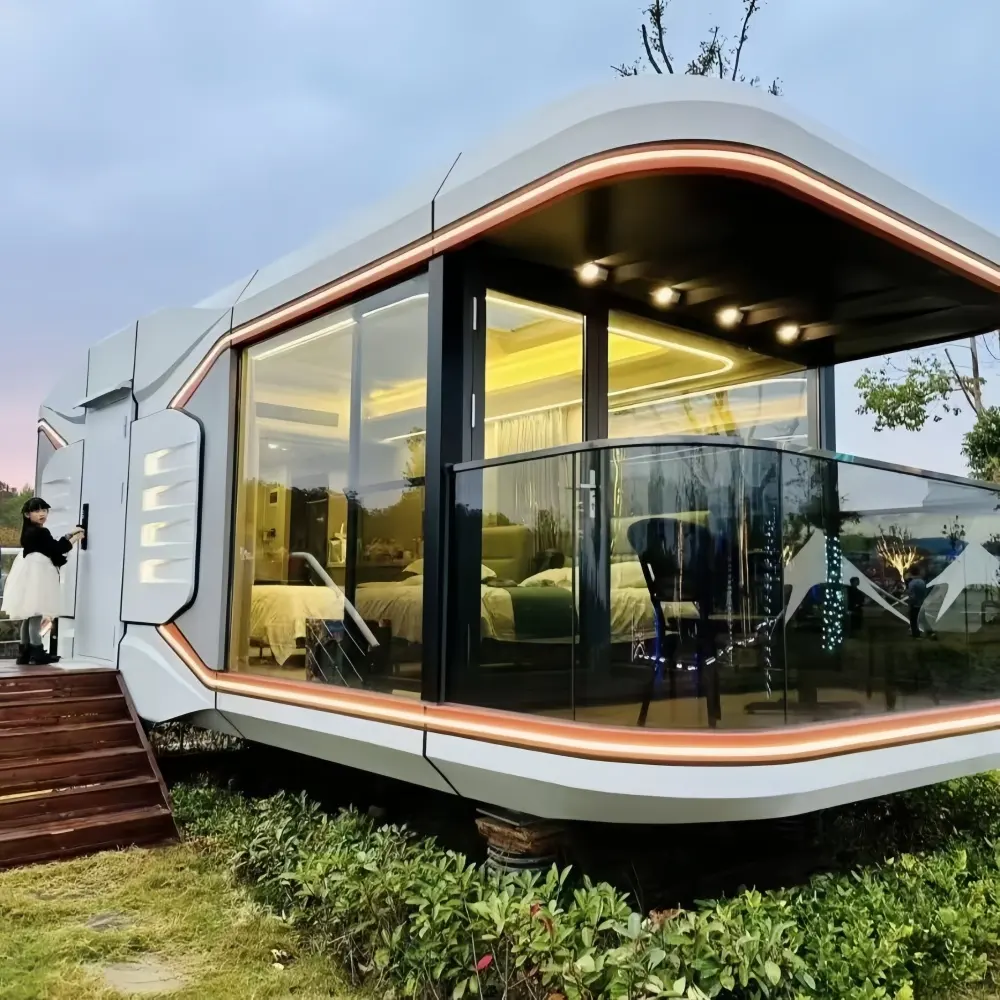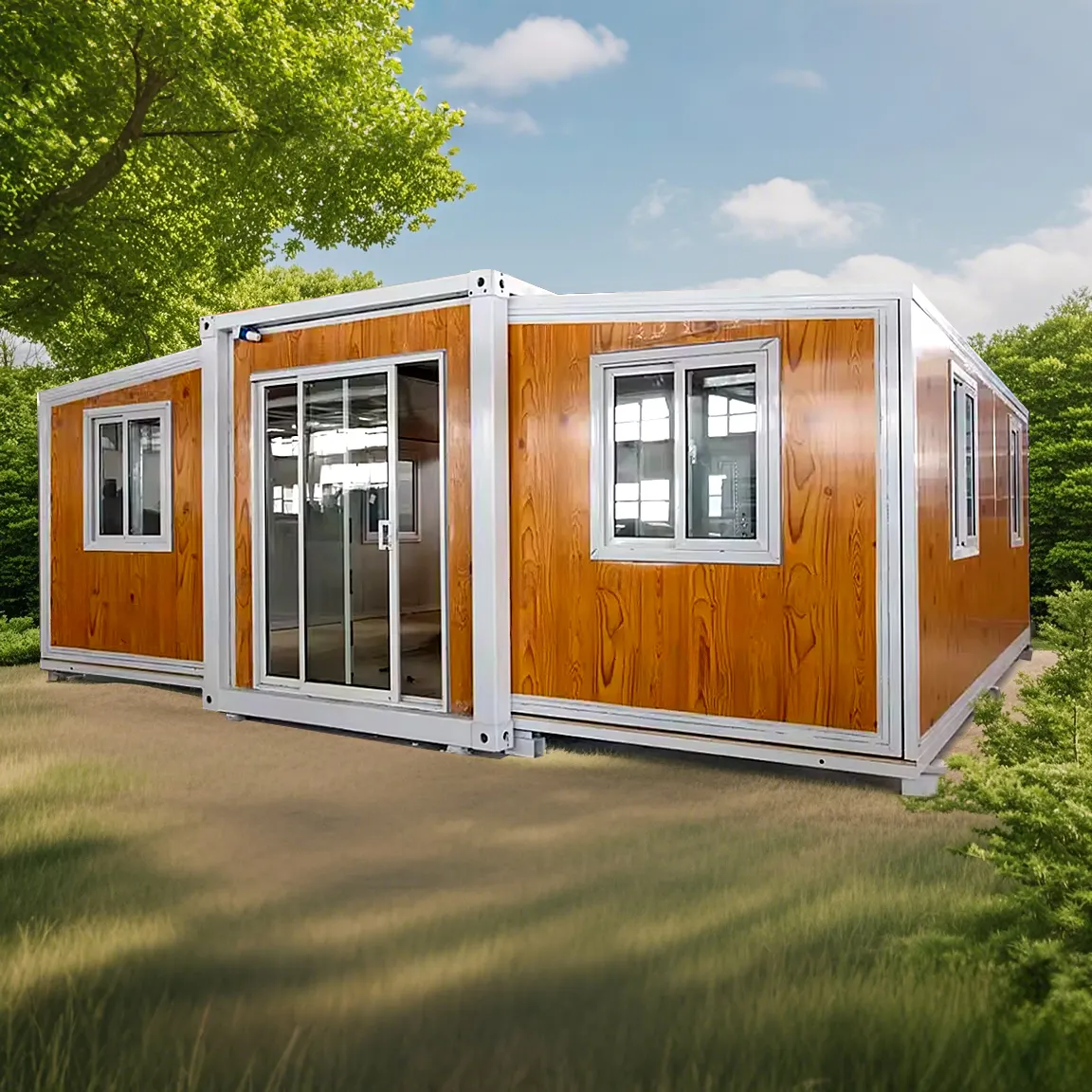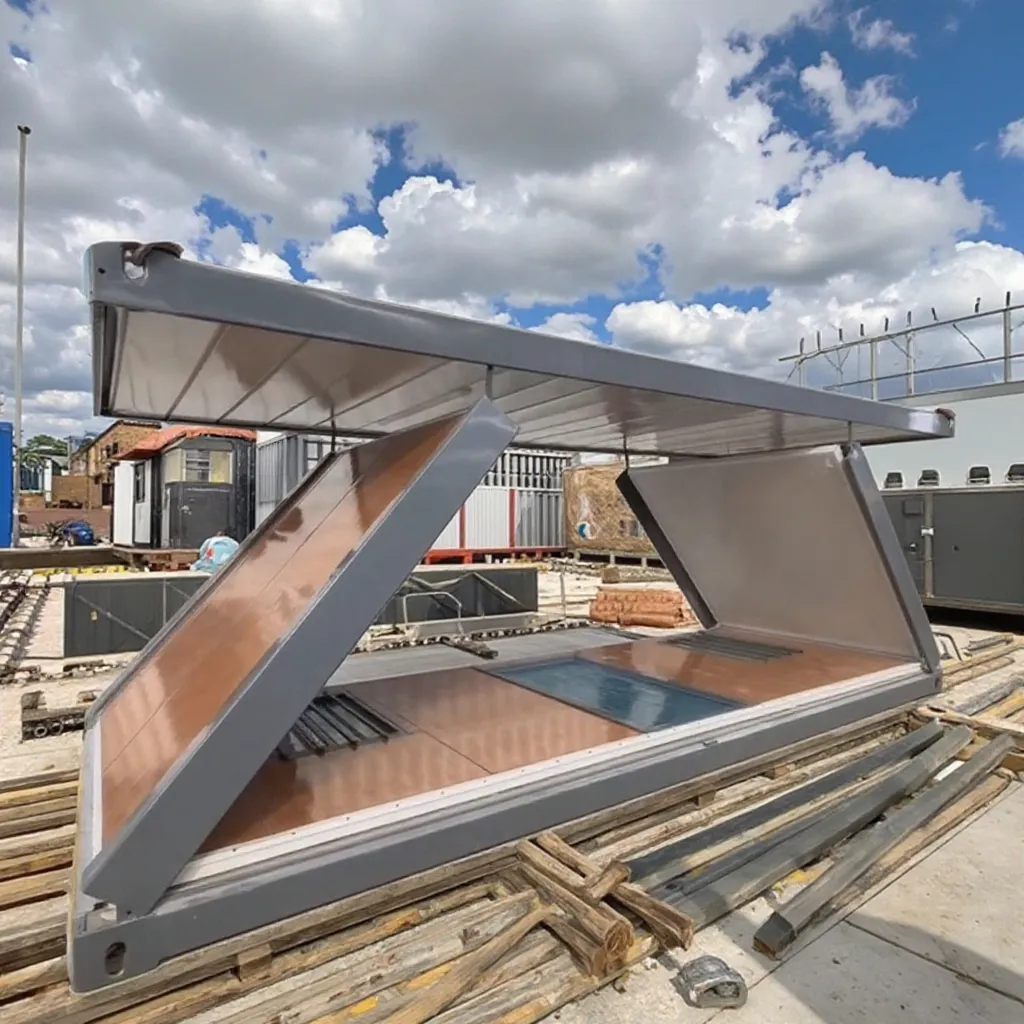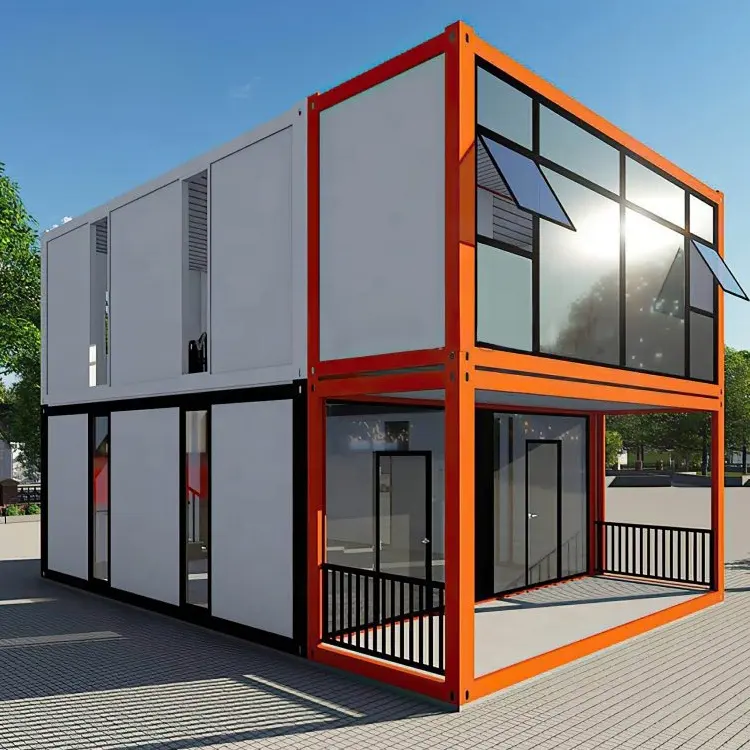
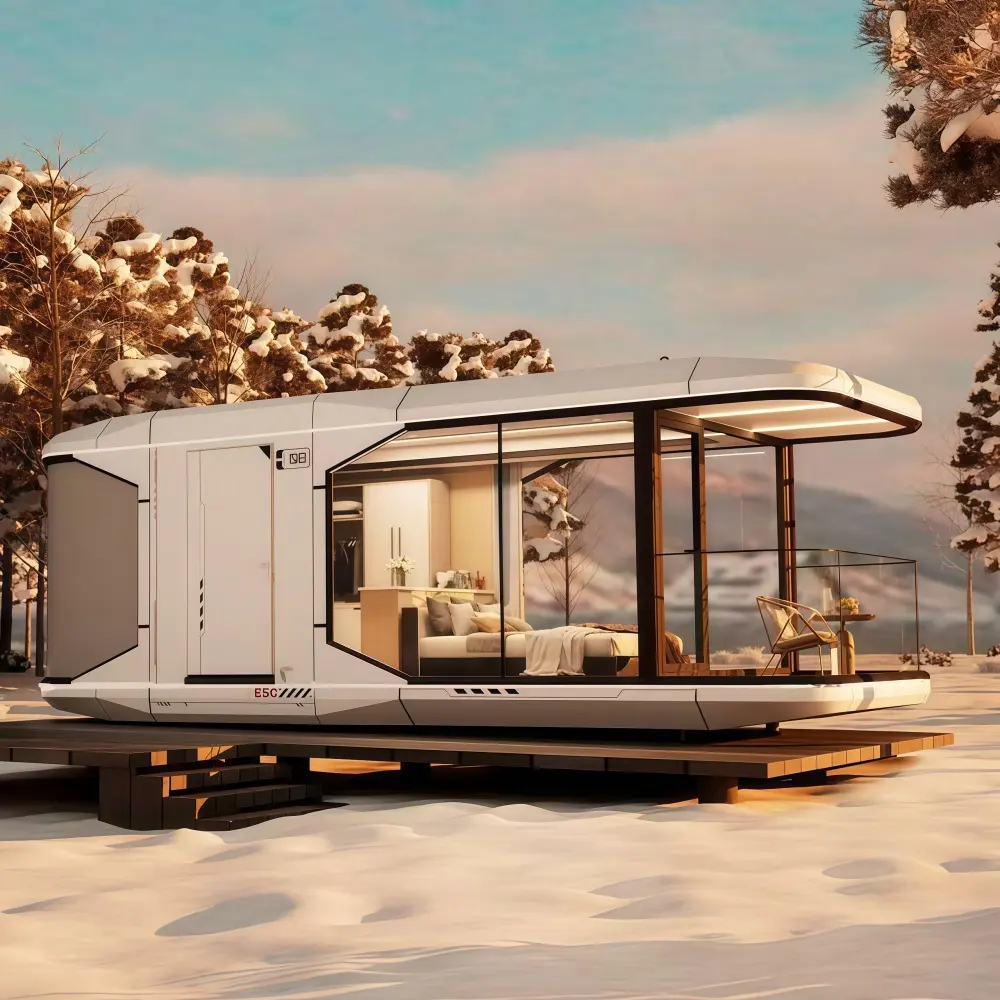
The construction industry is experiencing a revolutionary transformation, primarily fueled by the widespread adoption of prefabricated building methods. These cutting-edge techniques are not just streamlining construction processes but are fundamentally enhancing sustainability, cost-efficiency, and project timelines. In this comprehensive analysis, we delve deep into the latest trends and technologies in prefabricated construction, illuminating how they are reshaping industry standards and what they mean for the future of architectural design and implementation.
Modular Construction: Redefining Building Efficiency
Modular construction stands at the forefront of prefabricated building innovations. This methodology involves manufacturing complete sections or modules of structures in controlled factory environments before transporting them to construction sites for final assembly. The advantages are manifold:
- Time Efficiency: Projects can be completed up to 50% faster than traditional construction methods, as site work and manufacturing occur simultaneously.
- Cost Reduction: Labor costs decrease significantly due to streamlined processes and reduced on-site complications.
- Quality Control: Factory settings allow for stricter adherence to specifications and building codes.
- Waste Minimization: Precise material calculations and controlled environments reduce waste by up to 40% compared to traditional methods.
Recent advancements in modular technology have dramatically expanded design possibilities. Modern modular buildings now range from affordable housing solutions to luxury high-rises and complex institutional facilities. For instance, the 32-story Pacific Park Brooklyn project in New York, built using modular techniques, demonstrated how prefabrication can succeed even in dense urban environments with stringent building requirements.
3D Printing: Manufacturing Revolution in Construction
3D printing technology is radically transforming prefabricated construction possibilities. This innovation enables the production of building components with unprecedented speed and precision, while simultaneously reducing material waste and labor requirements.
The applications of 3D printing in construction are diverse:
- Structural Components: Load-bearing walls, foundations, and support structures
- Architectural Elements: Custom facades, intricate decorative features, and unique design elements
- Infrastructure: Bridge components, retaining walls, and urban furniture
WinSun in China has pioneered this technology by successfully printing entire multi-story apartment buildings, while companies like ICON in the United States are utilizing 3D printing to address housing shortages with rapidly constructed, affordable homes. The technology shows particular promise in disaster relief scenarios, where rapid deployment of housing is critical.
Advanced concrete mixtures, reinforced polymers, and even sustainable composites derived from recycled materials are expanding the material palette available for 3D printed construction, further enhancing its environmental credentials.
Smart Prefabrication: The Digital Integration of Construction
The marriage of IoT (Internet of Things) technology with prefabricated construction processes represents another significant advancement in the field. Smart prefabrication incorporates digital technologies throughout the building lifecycle:
- Digital Twins: Virtual replicas of physical buildings that enable real-time monitoring and optimization
- Predictive Analytics: AI-powered systems that forecast potential issues before they emerge
- Supply Chain Integration: Connected inventory management systems that ensure just-in-time material delivery
- Performance Monitoring: Embedded sensors that track structural performance, energy usage, and maintenance needs
The implementation of Building Information Modeling (BIM) systems has been particularly transformative, allowing for unprecedented coordination between architects, engineers, manufacturers, and contractors. These integrated digital platforms ensure that designs are optimized for prefabrication from the earliest stages of development.
Companies like Katerra have pioneered end-to-end digitized construction processes, creating seamless workflows from design to manufacturing to assembly. This integration results in fewer errors, reduced material waste, and accelerated project timelines.
Sustainable Materials: Eco-Conscious Construction Solutions
Environmental considerations are increasingly driving innovation in prefabricated construction materials. The controlled manufacturing environment offers unique opportunities to incorporate sustainable materials and practices:
- Mass Timber: Cross-laminated timber (CLT) and other engineered wood products that sequester carbon while providing structural strength comparable to concrete and steel
- Recycled Components: Construction elements manufactured from reclaimed materials, including recycled steel, aluminum, and plastics
- Bio-Based Materials: Innovative products derived from rapidly renewable resources such as mycelium (fungal-based) insulation, bamboo structural elements, and hemp-lime composites
- Low-Carbon Concrete: Modified formulations that reduce the carbon footprint of traditional concrete while maintaining structural integrity
The prefabrication process itself contributes to sustainability through precision manufacturing that eliminates excess material usage. Factory environments also facilitate better waste management, with many operations achieving near-zero waste through comprehensive recycling programs.
Sweden’s Lindbäcks Bygg exemplifies this approach, utilizing sustainable timber from managed forests in their modular housing factories while operating on 100% renewable energy. Their production facilities recycle 98% of manufacturing waste, demonstrating the potential for truly circular construction processes.
Virtual Reality and Augmented Reality: Visualizing Before Building
VR and AR technologies have transformed the conceptualization and planning phases of prefabricated construction:
- Immersive Design Reviews: Clients and stakeholders can experience spaces before they’re built, reducing costly change orders
- Construction Sequencing: Complex assembly processes can be visualized and optimized before physical work begins
- Training: Workers can learn assembly techniques in virtual environments before applying them in real-world settings
- On-Site Assembly Guidance: AR overlays can guide installation teams through complex procedures with precision
These technologies facilitate unprecedented collaboration between design teams, manufacturers, and clients. By identifying potential conflicts or issues in the virtual realm, projects avoid costly mistakes during physical construction.
The integration of these visualization tools with BIM systems creates a seamless digital workflow from concept to completion. Companies like Mortenson Construction have reported 25-30% increases in productivity when utilizing AR tools for prefabricated assembly processes.
Advanced Robotics: Precision Manufacturing at Scale
Robotics technology is revolutionizing prefabricated construction through automation of repetitive and precision-demanding tasks:
- Automated Assembly Lines: Robot-driven manufacturing of panels, modules, and components
- Quality Control Systems: Computer vision systems that identify defects or deviations from specifications
- Material Handling: Robotic systems that manage heavy components with precision beyond human capability
- Specialized Applications: Tasks like automated welding, painting, and finishing that ensure consistent quality
Japanese construction giant Sekisui House operates highly automated prefabrication facilities where robots perform over 80% of manufacturing tasks, producing housing modules with millimeter-level precision. Similarly, Blueprint Robotics in the United States utilizes industrial robotics to manufacture complete wall, floor, and roof assemblies for residential construction.
The integration of robotics with digital design systems creates closed-loop manufacturing processes where design changes automatically translate to adjusted production parameters, maintaining quality while accommodating customization.
Off-Site Construction: Factory Precision Meets Construction Scale
The shift toward comprehensive off-site construction represents perhaps the most fundamental change in building methodology:
- Weather Independence: Construction proceeds regardless of outdoor conditions
- Parallel Processing: Foundation work occurs simultaneously with building manufacturing
- Skilled Labor Optimization: Specialized trades work in ergonomic factory settings rather than challenging site conditions
- Quality Standardization: Consistent processes produce reliable outcomes with fewer defects
The economic benefits of off-site construction become particularly evident in regions with labor shortages or extreme weather conditions. Projects in northern climates can continue year-round despite freezing temperatures, while developments in remote areas can minimize the need for transporting workers to difficult locations.
Volumetric modular construction—where complete three-dimensional units including finishes, fixtures, and systems are manufactured off-site—represents the most comprehensive application of this approach. Hospitality chains like Marriott International have embraced this methodology for rapid hotel deployment, achieving substantial time and cost savings while maintaining brand consistency.
Conclusion: The Transformative Future of Construction
The convergence of these trends and technologies in prefabricated construction signals a fundamental shift in how we conceptualize and execute building projects. As these innovations mature and scale, we can anticipate:
- Democratized Design: High-quality, customized buildings becoming accessible at lower price points
- Accelerated Development: Construction timelines compressed to meet urgent housing and infrastructure needs
- Enhanced Sustainability: Reduced environmental footprints through optimized material usage and energy efficiency
- Resilient Construction: Higher-quality buildings that better withstand climate challenges and natural disasters
For industry professionals—from architects and engineers to contractors and developers—embracing these prefabrication technologies represents both a challenge and an opportunity. Those who adapt to these new methodologies will likely find themselves at the forefront of a construction renaissance that promises better buildings, happier clients, and healthier environments.
As prefabrication continues to evolve, the distinction between factory-built and site-built structures will increasingly blur. The future of construction lies not in choosing between traditional or prefabricated methods, but in intelligently integrating the best aspects of both approaches to create buildings that are more sustainable, affordable, and adaptable to our rapidly changing world.