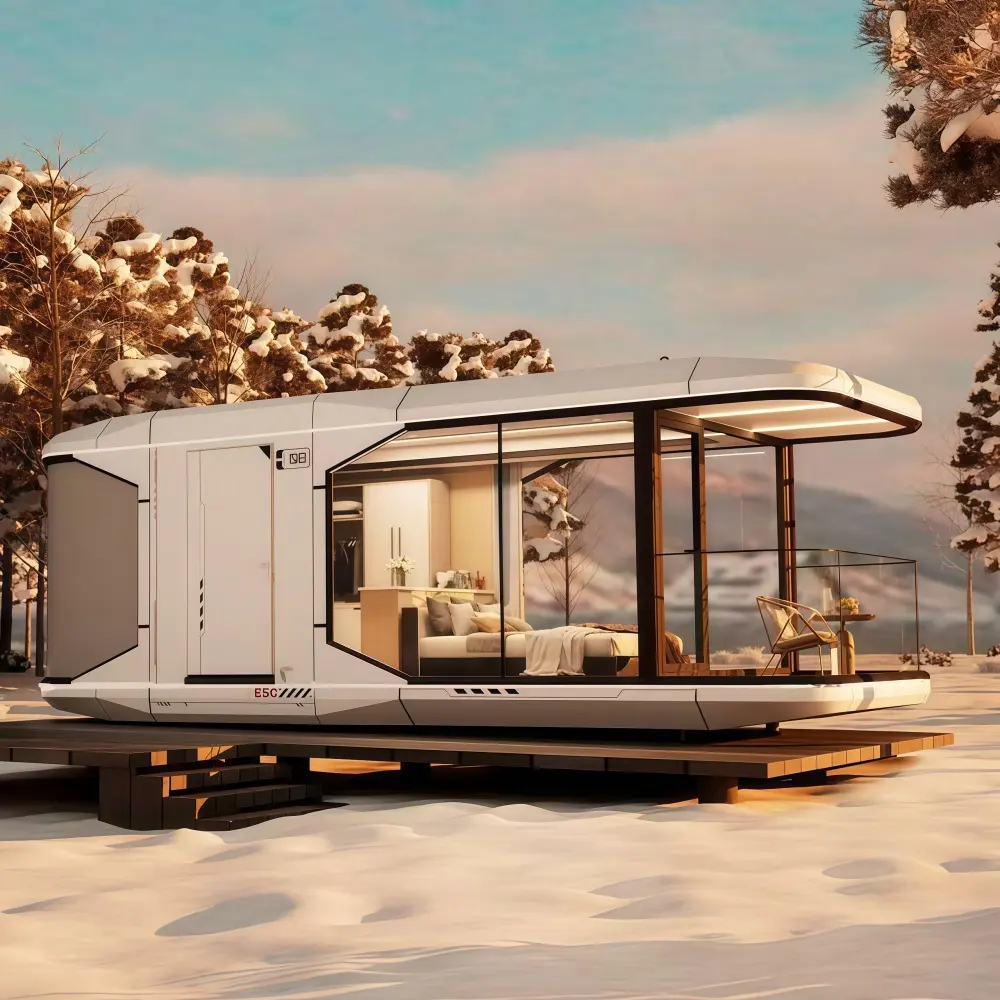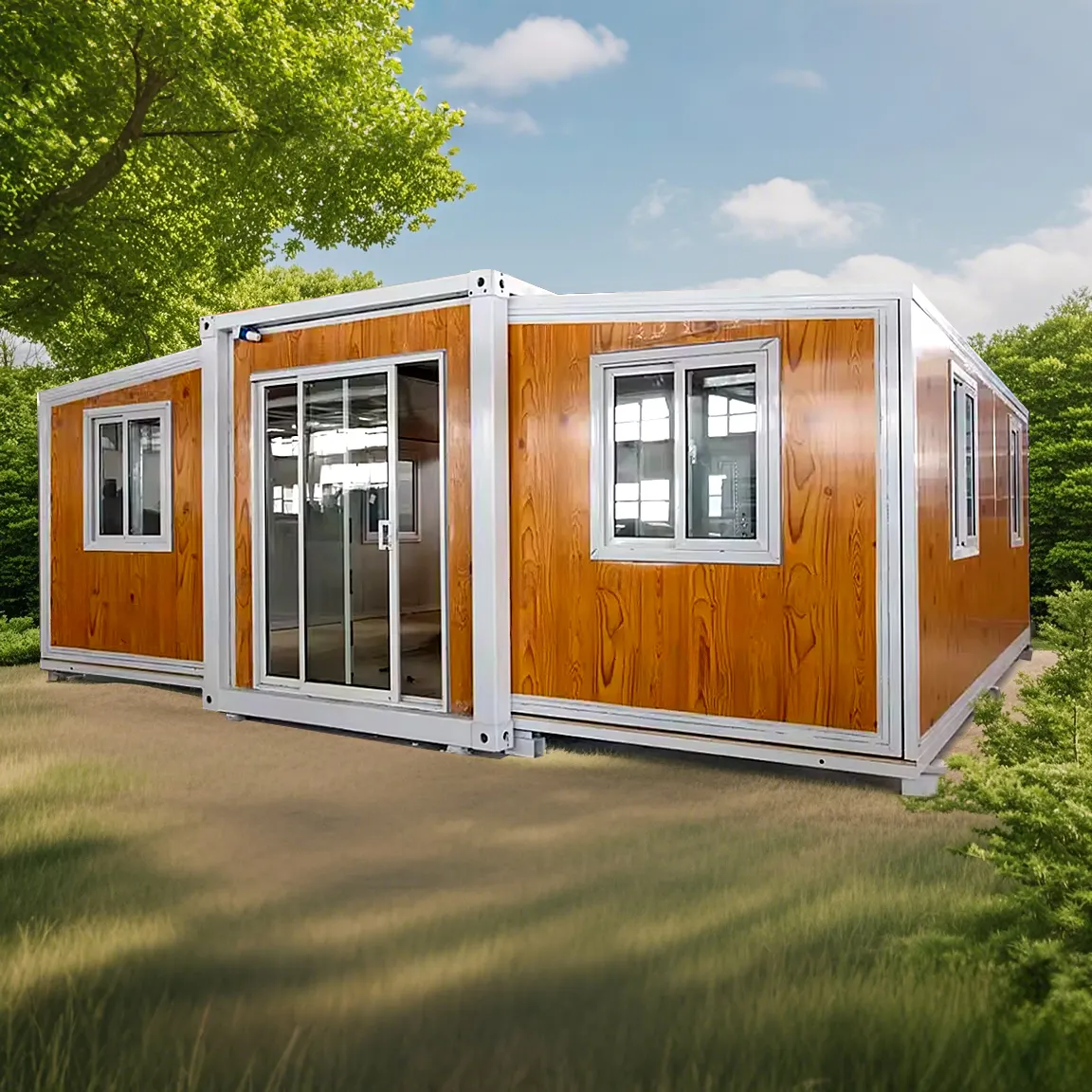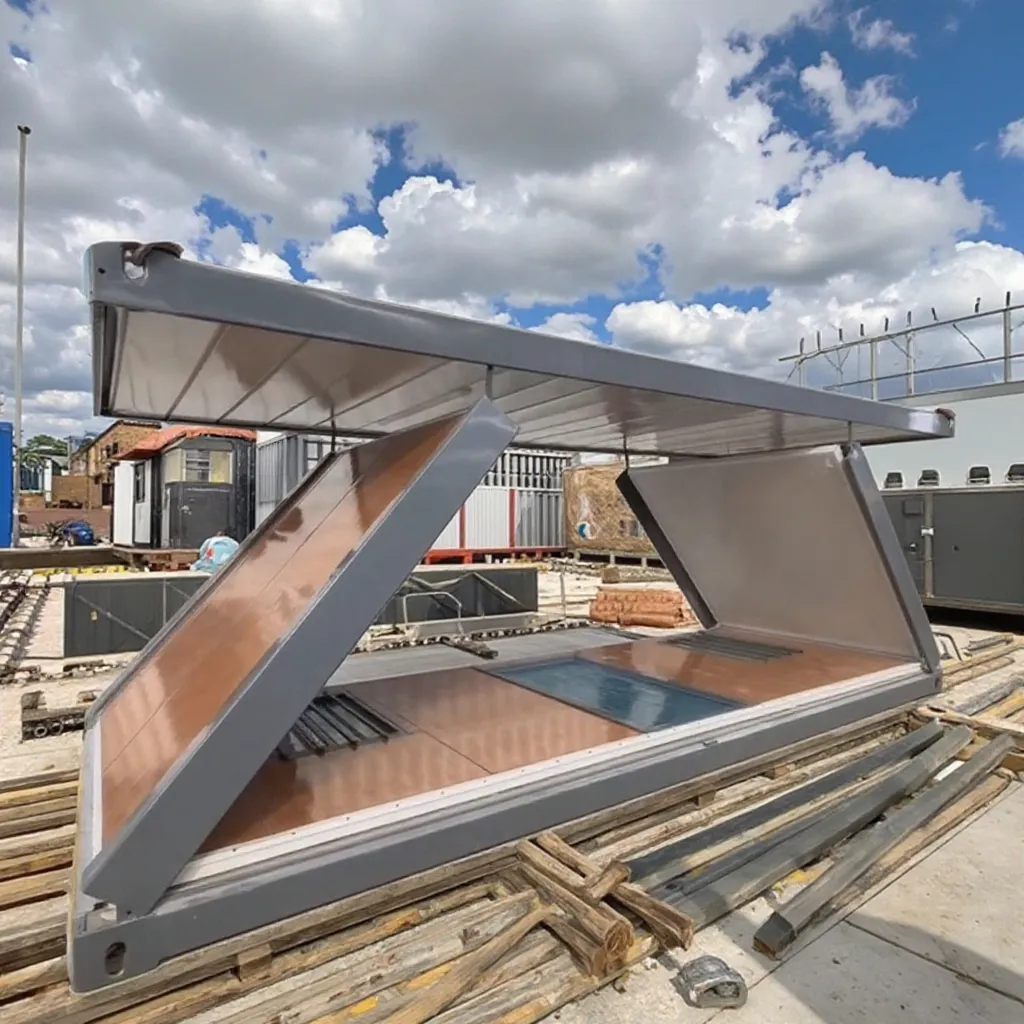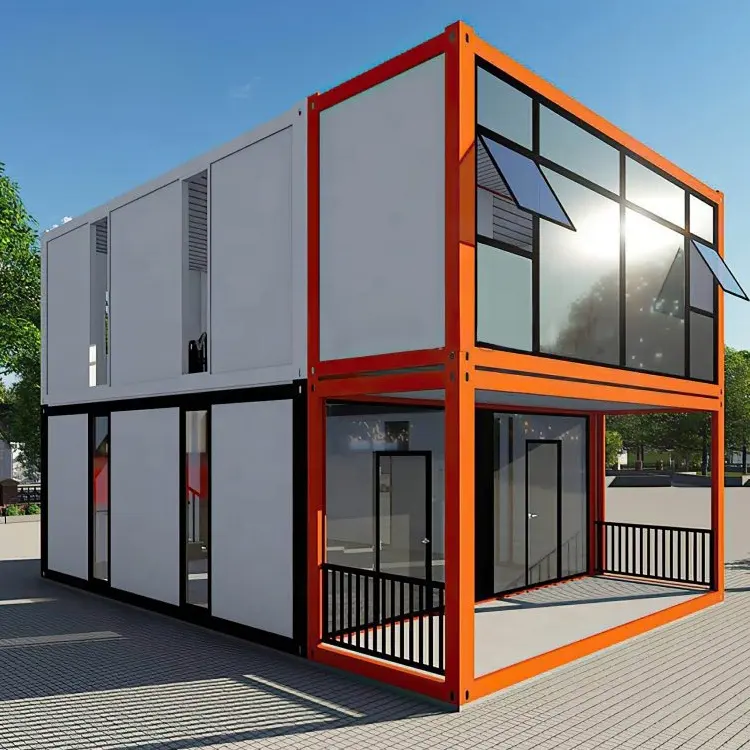
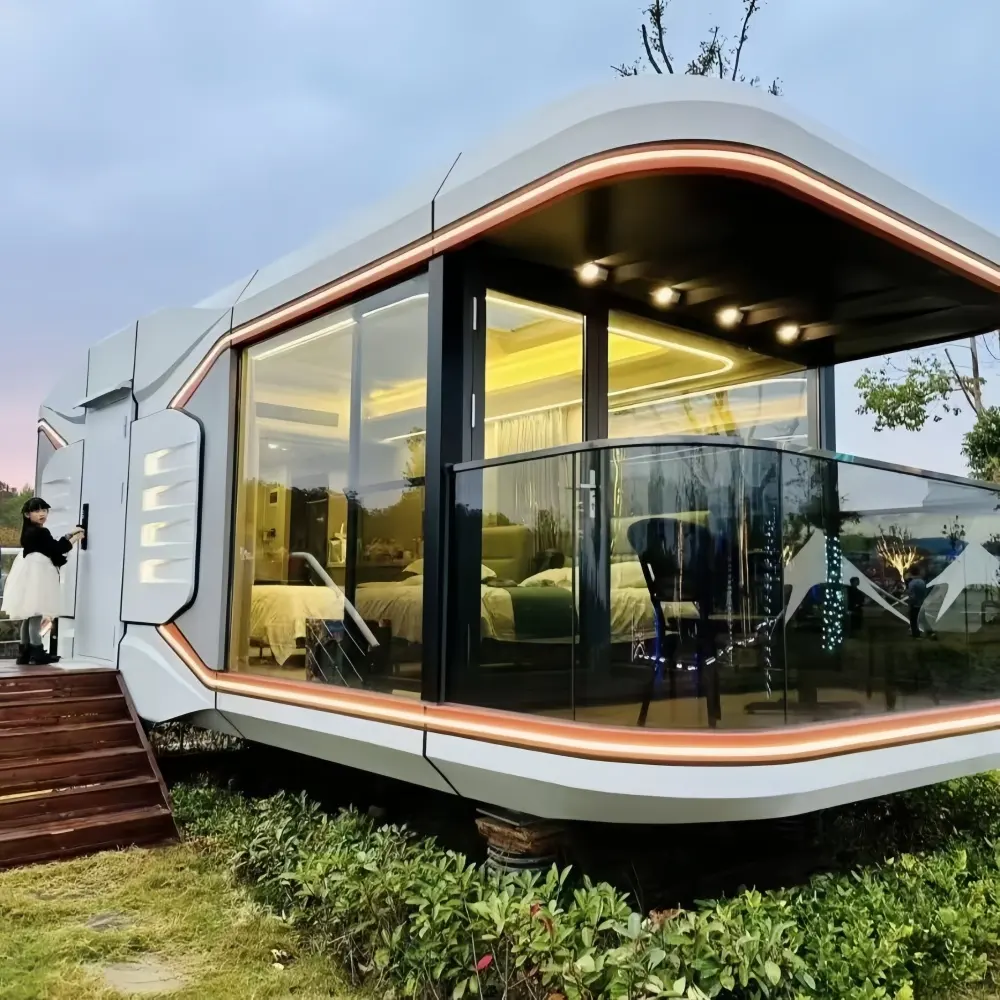
Are you intrigued by the idea of a prefabricated house but unsure where to begin? You’re in the right place! Prefab homes have gained tremendous traction in recent years for their efficiency, affordability, and modern designs, making them a fantastic alternative to traditional housing. In this comprehensive guide, we’ll explore all facets of buying a prefabricated house, equipping you with the knowledge needed to embark on this journey confidently. From understanding the various styles to the advantages they bring, you’ll find everything you need to make a well-informed choice. Let’s dive in and unravel the world of prefab homes together!
What is a Prefabricated House?
A prefabricated house, often referred to as a prefab home, is a structure that is manufactured off-site in advance, usually in standard sections that can be easily transported and assembled on-site. This method of construction contrasts with traditional building methods, where homes are built entirely on-site. Prefab homes can come in various forms, including modular, panelized, and manufactured homes, each with its unique characteristics.
The history of prefabricated housing dates back to the early 20th century, but modern prefab homes have evolved significantly, incorporating cutting-edge technology, sustainable materials, and innovative designs. Today’s prefab homes bear little resemblance to their predecessors, offering stylish, durable, and energy-efficient living spaces.
Types of Prefabricated Homes
1. Modular Homes
Modular homes are built in sections (modules) in a factory and then transported to the building site for assembly. These sections are constructed according to local building codes and can include everything from bathrooms and kitchens to entire wings of a house. Once assembled on-site, modular homes are often indistinguishable from traditional stick-built homes.
The flexibility of modular design allows for extensive customization. You can choose from various floor plans, finishes, and architectural styles. Many modular homes feature modern amenities like smart home technology, energy-efficient appliances, and high-end finishes.
2. Panelized Homes
Panelized homes use pre-made panels that include walls, floors, and roofs. These panels are manufactured in a factory and then shipped to the construction site, where they are assembled by professional builders. This method combines the efficiency of factory production with the flexibility of on-site construction.
The panels can be customized to include electrical wiring, plumbing, insulation, and even exterior finishes. This approach significantly reduces construction time while allowing for greater design flexibility compared to fully modular homes.
3. Manufactured Homes
Also known as mobile homes, manufactured homes are built entirely in a factory and transported to the site on their own chassis. They must comply with the federal HUD code rather than local building codes, which can affect where they can be placed and how they’re valued.
Modern manufactured homes offer improved quality and design options compared to earlier models. They come in various sizes, from single-wide to triple-wide configurations, and can feature multiple bedrooms, spacious living areas, and contemporary finishes.
4. Tiny Homes
A growing trend in the prefab market, tiny homes are compact, efficient living spaces typically under 400 square feet. They appeal to minimalists, environmentalists, and those looking to reduce their living expenses and environmental footprint.
Despite their small size, tiny homes can be remarkably functional, with clever storage solutions, multi-purpose furniture, and space-saving designs. Many tiny homes are also mobile, allowing owners to relocate as desired.
5. Container Homes
Utilizing repurposed shipping containers, these homes offer a unique aesthetic and sustainable building option. Container homes can range from simple, single-container dwellings to complex multi-story structures created by stacking and connecting multiple containers.
The inherent strength of shipping containers makes them suitable for various climate conditions, and their modular nature allows for creative architectural expressions.
Advantages of Prefabricated Homes
Cost-Effective
Prefab homes often come at a lower price point than traditional homes due to several factors:
- Reduced labor costs through efficient factory production
- Bulk purchasing of materials
- Shorter construction times, reducing financing costs
- Minimized material waste
- Lower energy bills due to efficient designs and construction methods
On average, prefab homes can cost 10-25% less than comparable site-built homes, making homeownership more accessible to a broader range of people.
Speed of Construction
The controlled factory environment allows for streamlined production processes, with multiple components being built simultaneously. Weather delays are eliminated during the manufacturing phase, and on-site assembly is typically much faster than traditional construction.
A prefab home that might take 9-12 months to build using conventional methods can often be completed in 3-6 months, allowing you to move in sooner and potentially saving on temporary housing costs.
Sustainability
Many prefab manufacturers prioritize eco-friendly practices:
- Precise material cutting reduces waste
- Controlled factory environments enable better recycling
- Energy-efficient designs with superior insulation
- Options for solar panels, green roofs, and rainwater collection systems
- Use of sustainable and non-toxic building materials
These sustainable features not only benefit the environment but can also result in significant long-term savings on utility bills.
Customization
Despite being prefabricated, many companies offer extensive customization options:
- Various floor plans and layouts
- Selection of finishes, fixtures, and appliances
- Architectural styles ranging from traditional to ultra-modern
- Ability to accommodate special needs or preferences
- Options for expanding or modifying the home in the future
This flexibility allows you to create a home that reflects your personal style and meets your specific needs without the full cost of a custom-built traditional home.
Quality Control
Factory construction enables consistent quality control measures:
- Climate-controlled building environment
- Specialized workstations with expert craftspeople
- Regular inspections throughout the manufacturing process
- Protection of building materials from weather exposure
- Precision tools and equipment for accurate construction
These quality control advantages often result in more durable, better-built homes with fewer maintenance issues over time.
Considerations Before Buying a Prefabricated House
1. Zoning and Regulations
Before purchasing a prefab home, thoroughly research local zoning laws and building codes. Some areas have restrictions on:
- Minimum square footage requirements
- Architectural review board approvals
- Foundation types
- Placement of manufactured homes
- Building permit processes specific to prefab construction
Working with local officials early in the planning process can help avoid costly surprises or delays.
2. Land Purchase
Securing the right plot of land is crucial for your prefab home:
- Consider accessibility for delivery of large modules or panels
- Evaluate the topography and soil conditions
- Check for utility connections or the cost of adding them
- Research local amenities, schools, and services
- Verify property boundaries and any easements or restrictions
The cost of land preparation can vary significantly depending on the site conditions, so factor this into your budget.
3. Financing Options
Financing a prefab home can differ from traditional homes:
- Some lenders offer construction-to-permanent loans specifically for prefab homes
- Manufactured homes may require different loan products than modular homes
- Down payment requirements might vary based on the type of prefab home
- Interest rates might differ from conventional mortgage loans
- Some manufacturers offer in-house financing options
Research lenders who specialize in prefab financing and understand the terms and conditions before committing.
4. Manufacturer Reputation
The quality of prefab homes can vary significantly between manufacturers:
- Research the company’s history and financial stability
- Read customer reviews and testimonials
- Ask to speak with previous clients
- Check for industry certifications and awards
- Verify warranty coverage and after-sale support
A reputable manufacturer with a proven track record will likely provide a better product and experience.
5. Warranty and Support
Ensure that the manufacturer offers comprehensive warranty coverage:
- Structural warranties (typically 10+ years)
- Systems warranties for plumbing, electrical, and HVAC
- Finish warranties for cabinets, flooring, and other interior elements
- Clear procedures for addressing warranty claims
- Local service providers for maintenance and repairs
Documentation of all warranties and support agreements should be provided before purchase.
The Buying Process
1. Research
Begin by thoroughly researching different types of prefab homes and manufacturers. Create a list of your priorities regarding size, style, features, and budget. Visit websites, read blogs, and join forums dedicated to prefab housing to learn from others’ experiences.
2. Visit Model Homes
Whenever possible, tour model homes or visit showrooms to experience the quality and feel of different prefab options. Many manufacturers maintain display models or can arrange visits to completed homes. This hands-on experience is invaluable in making an informed decision.
3. Consult with Experts
Engage with specialists who understand the unique aspects of prefab construction:
- Architects familiar with prefab design
- Real estate agents experienced with land suitable for prefab homes
- Builders who specialize in prefab installation
- Financial advisors knowledgeable about prefab home financing
Their expertise can help navigate potential challenges and optimize your investment.
4. Finalize Your Design
Once you’ve selected a manufacturer, work closely with their design team to:
- Choose your floor plan and overall layout
- Select finishes, fixtures, and appliances
- Incorporate any special features or accessibility requirements
- Review and approve final blueprints and specifications
- Address any site-specific adaptations needed
This collaborative process ensures your home meets your expectations before production begins.
5. Secure Financing
Work with your chosen lender to:
- Complete loan applications
- Provide necessary documentation
- Understand payment schedules for different construction phases
- Coordinate with the manufacturer regarding payment milestones
- Finalize closing documents
Clear communication between your lender and manufacturer is essential for smooth financing.
6. Prepare the Site
While your home is being manufactured, simultaneously prepare your building site:
- Clear the land as needed
- Construct the foundation according to manufacturer specifications
- Install utility connections
- Secure necessary permits and inspections
- Create access for delivery vehicles and cranes
Proper site preparation is crucial for successful and timely installation.
7. Installation
The installation process typically includes:
- Delivery of modules or panels to the site
- Crane placement of sections onto the foundation
- Connection of modules or assembly of panels
- Utility hookups and system testing
- Interior finishing work
- Final inspections and approvals
Depending on the complexity of your home, this process can take anywhere from a few days to several weeks.
8. Move In
After installation and final inspections are complete, you’ll receive keys to your new home. Many manufacturers offer a walkthrough orientation to familiarize you with systems and features before you move in.
Conclusion
Buying a prefabricated house represents an exciting opportunity to embrace innovative construction methods while potentially saving time and money. With their affordability, efficiency, sustainability, and modern designs, prefab homes offer a compelling alternative to traditional housing.
By understanding the different types of prefab homes, their advantages, and the buying process, you can make an informed decision that aligns with your lifestyle, values, and budget. As technology and design continue to advance, prefabricated homes are increasingly becoming the smart choice for forward-thinking homeowners.
Whether you’re drawn to the sleek minimalism of a tiny home, the customization options of modular construction, or the sustainability of container living, there’s likely a prefab solution that perfectly matches your vision. Embrace the future of housing and explore the remarkable possibilities that a prefabricated home can offer!