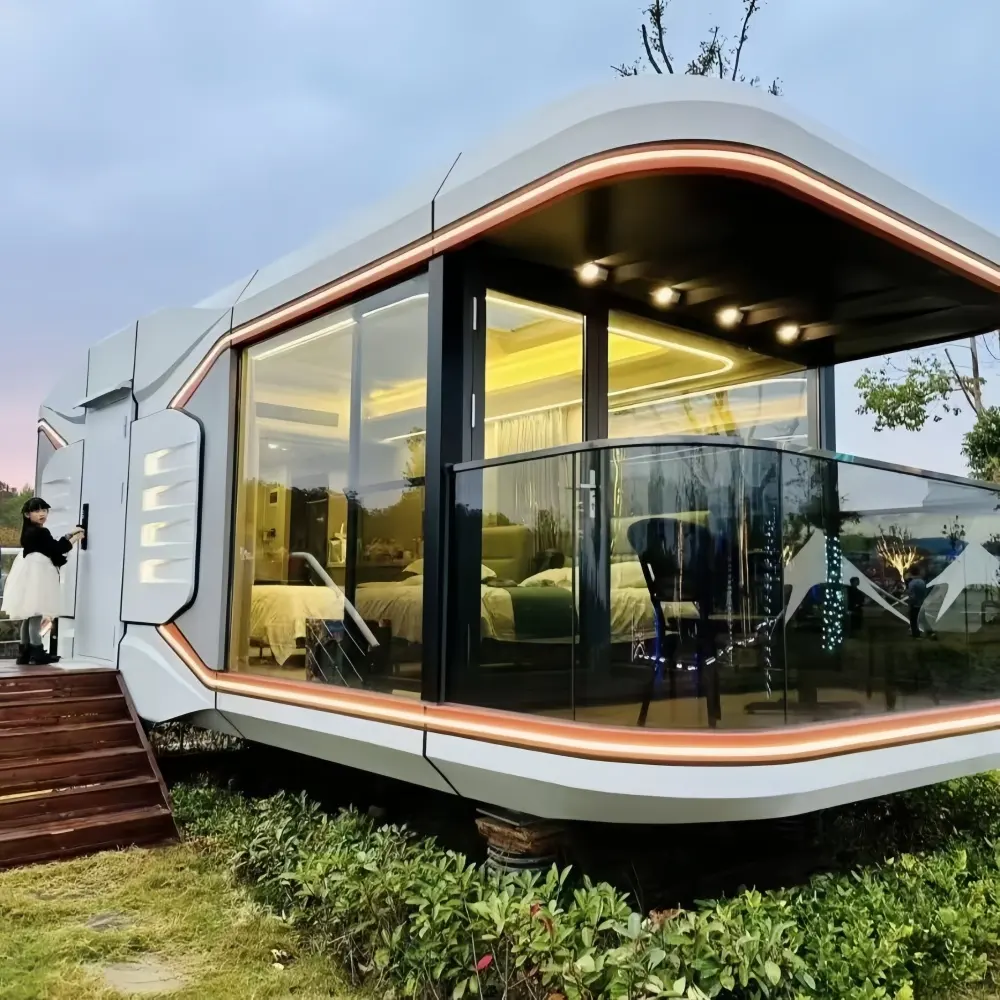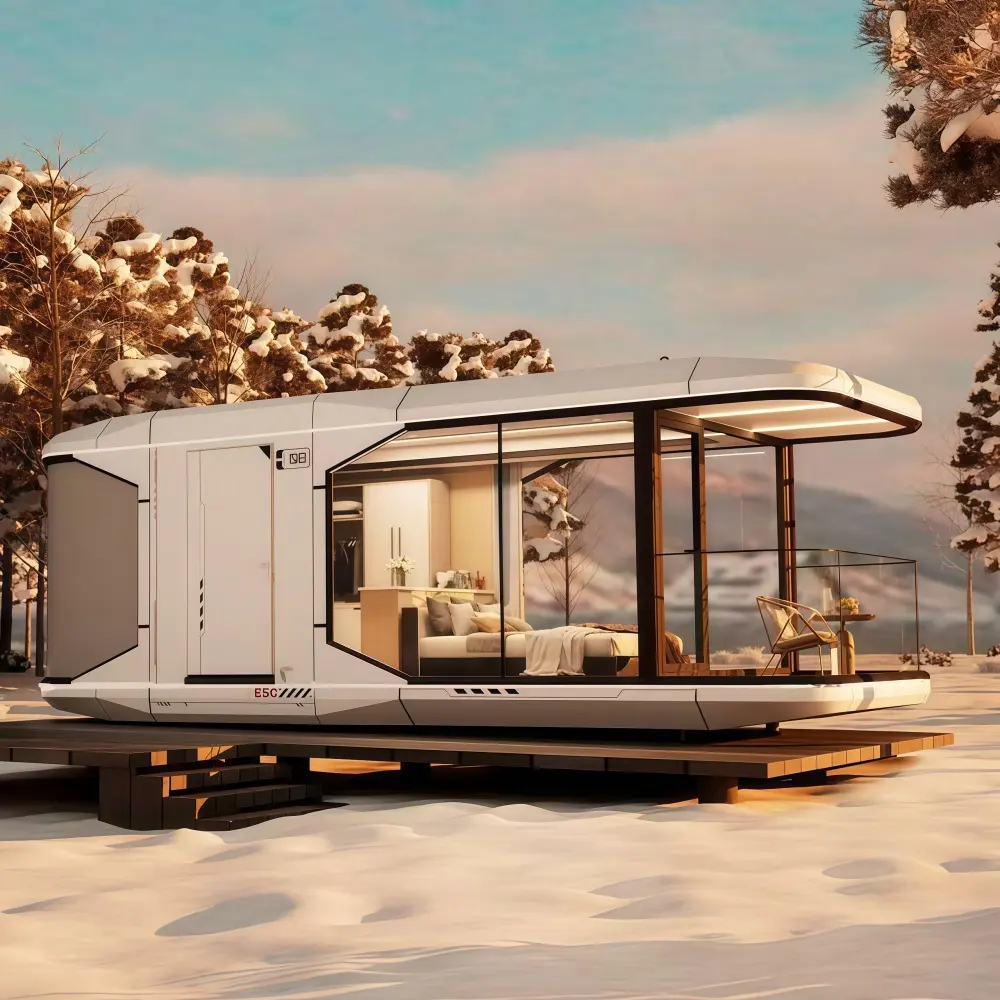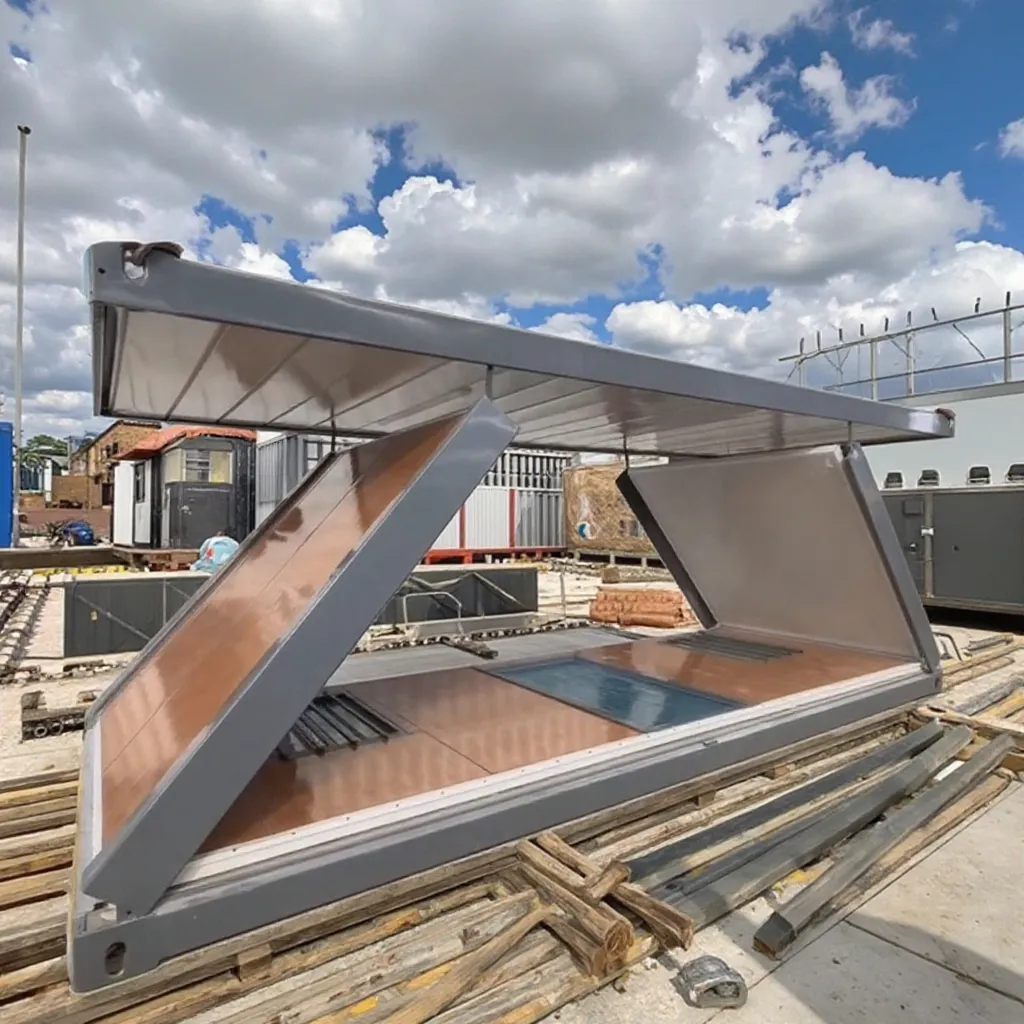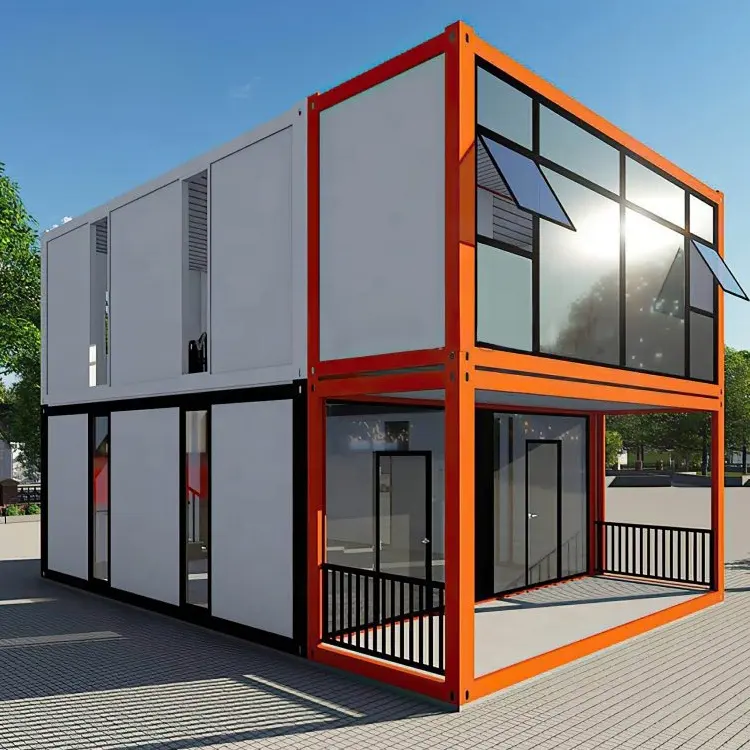
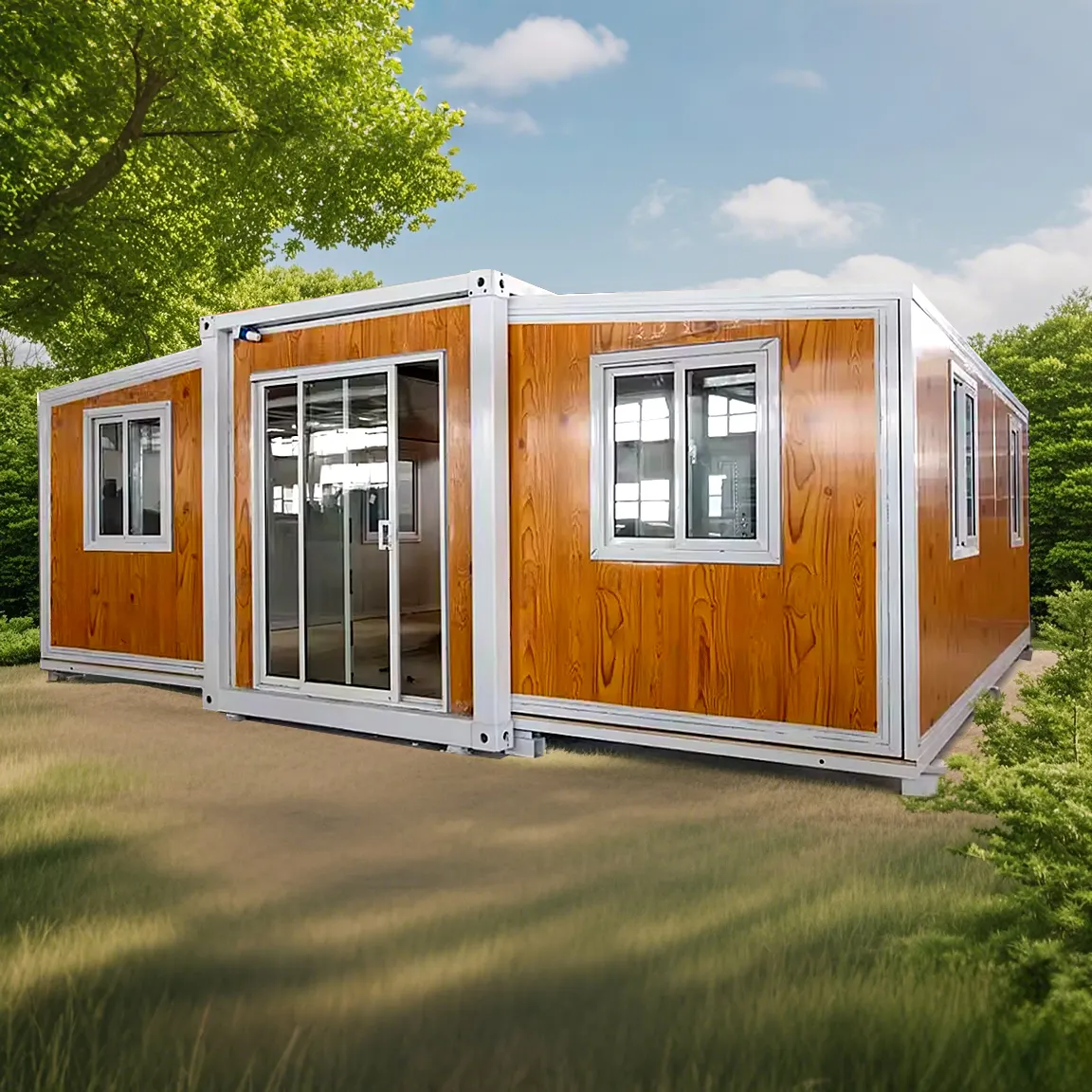
In an age where sustainability is becoming increasingly important, the construction industry is stepping up with solutions that not only appeal to efficiency but also to environmental responsibility. Prefabricated buildings are leading the way in this transformation, offering a host of eco-friendly benefits that can significantly lessen our ecological footprint. This article will dive into the many ways prefabricated construction can enhance sustainability efforts, from minimizing waste during the building process to lowering energy consumption post-construction. Whether you’re a contractor, a homeowner, or an environmentally conscious individual, understanding the advantages of prefabricated buildings can help you make smarter, greener choices.
Minimized Waste Production
One of the most significant advantages of prefabricated construction is the reduction of waste. Traditional building methods often result in excess materials being discarded, contributing to landfill overflow. In contrast, prefabricated buildings are constructed in a controlled factory environment where materials can be precisely measured and cut.
For example, one study shows that prefabricated building projects can reduce construction waste by up to 90%. The factory environment also allows for better sorting and recycling of materials, redirecting more materials back into the production cycle compared to traditional on-site construction. Additionally, any leftover materials can often be recycled or repurposed, further reducing waste.
Energy Efficiency During Construction
The construction process itself can be energy-intensive, but prefabricated buildings help mitigate this impact. Since components are manufactured in a factory, the energy used can be optimized and monitored more effectively than in traditional on-site construction.
Specifically, the factory environment allows for the use of timed automation systems that shut down machinery when not needed, optimized lighting systems to reduce energy waste, and centralized processing of materials for multiple projects, further enhancing efficiency. Moreover, the speed of assembly on-site reduces the duration of construction, which also contributes to lower energy consumption.
Sustainable Materials
Prefabricated buildings often utilize sustainable materials that are sourced responsibly. Many manufacturers prioritize eco-friendly options, such as recycled steel, sustainably harvested wood, and low-VOC (volatile organic compounds) materials.
Advanced prefabricated building solutions are even beginning to incorporate innovative materials like cross-laminated timber (CLT), a renewable material with excellent insulation properties. By choosing prefabricated options, builders and homeowners can select materials that not only meet their aesthetic and functional needs but also align with their environmental values.
Improved Energy Efficiency Post-Construction
Once a prefabricated building is complete, it can offer significant energy savings over its lifespan. These structures are often designed with energy efficiency in mind, incorporating features such as superior insulation, energy-efficient windows, and advanced HVAC systems.
The modular nature of prefabricated buildings allows for the design of tighter building envelopes, reducing thermal bridges and air leakage, which are major sources of energy loss in traditional construction. Some prefabricated buildings even achieve passive house standards, with energy demands up to 90% lower than conventional buildings. This design focus can lead to lower energy consumption for heating and cooling, resulting in reduced utility bills and a smaller carbon footprint over time.
Reduced Site Disturbance
Traditional construction can lead to significant site disturbance, including soil erosion, habitat destruction, and increased runoff. Prefabricated buildings, on the other hand, require less time on-site, which minimizes the impact on the surrounding environment.
The reduction in on-site activities also means less noise pollution and air pollution, which benefits both the communities surrounding the building and wildlife. With a quicker assembly process, there is less disruption to local ecosystems, making prefabricated options a more environmentally friendly choice.
Flexibility and Adaptability
Prefabricated buildings can be designed for flexibility and adaptability, allowing them to be repurposed or expanded as needs change. This adaptability can extend the life of a building and reduce the need for new construction, which in turn conserves resources and minimizes waste.
The modular design means rooms can be easily added or reconfigured without requiring major construction work or demolition. By investing in a structure that can evolve over time, homeowners and businesses can make a more sustainable choice, reducing the long-term environmental impact of building and demolition cycles.
Lower Transportation Emissions
Since prefabricated components are manufactured in a centralized location, transportation emissions can be reduced. By shipping larger, pre-assembled sections rather than individual materials, the overall carbon footprint associated with transportation is minimized.
Additionally, prefabrication companies can optimize logistics by loading components for multiple projects on the same truck, reducing overall transportation needs. This efficiency not only benefits the environment but can also lead to cost savings in logistics.
Enhanced Water Efficiency
Prefabricated buildings often integrate water efficiency features such as low-flow fixtures, rainwater harvesting systems, and greywater reuse systems. These features can significantly reduce water consumption over the lifetime of the building.
Because these systems can be pre-installed and tested in the factory environment, they tend to be more efficient and less prone to failure than those installed on-site. The result is a more sustainable building that not only reduces energy consumption but also the use of precious water resources.
Longer Lifespan and Durability
Prefabricated buildings are often constructed with high-quality materials and under strict quality control standards, resulting in more durable and longer-lasting structures. The extended life of a building means less need for rebuilding and renovation, reducing the overall environmental impact associated with construction.
Furthermore, the factory environment allows for pre-treatment and protection of materials, making them better able to withstand climate conditions and the effects of time. This further extends the lifespan of prefabricated buildings, requiring less maintenance and fewer resources invested over the long term.
Conclusion
As the construction industry continues to evolve, prefabricated buildings stand out as a beacon of sustainability. From minimizing waste and energy consumption during construction to promoting long-term efficiency and adaptability, these structures offer a multitude of eco-friendly benefits. Whether you are a contractor looking to adopt greener practices or a homeowner seeking to make environmentally responsible choices, prefabricated buildings present a compelling option. By embracing this innovative approach to construction, we can all contribute to a more sustainable future.