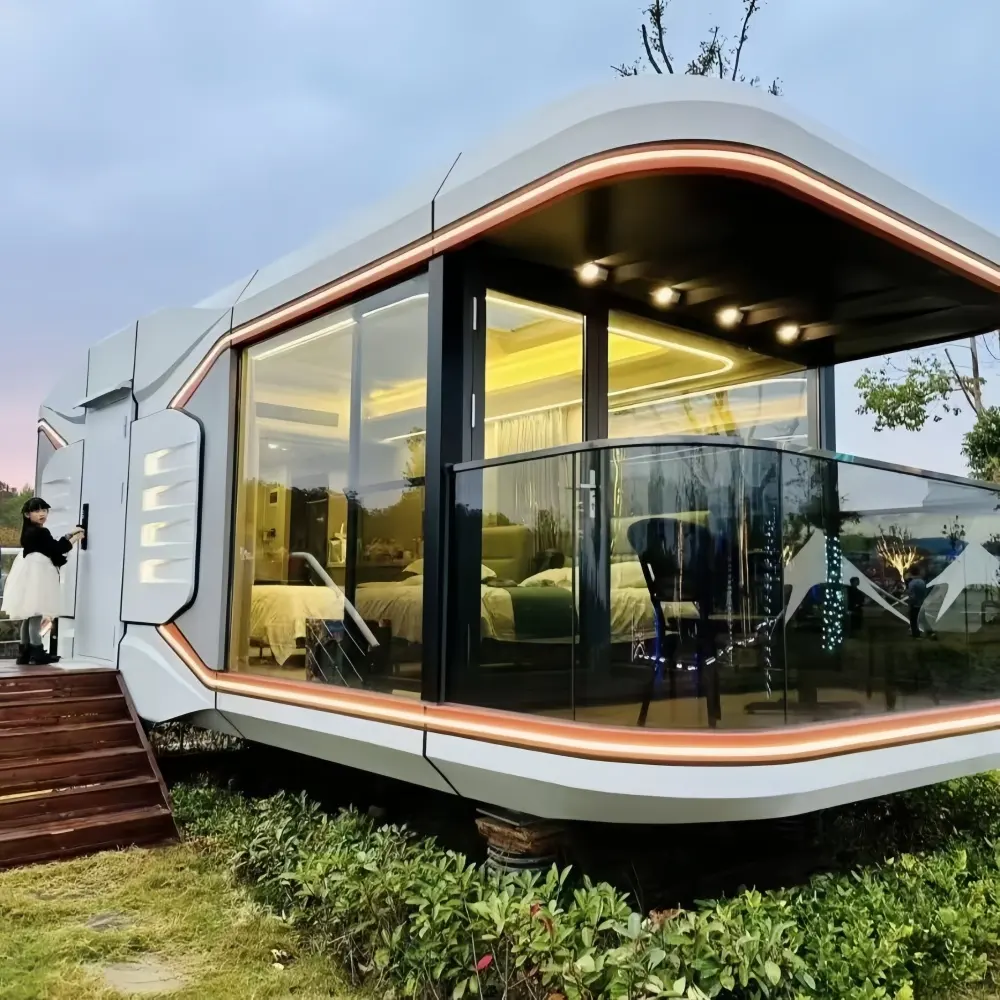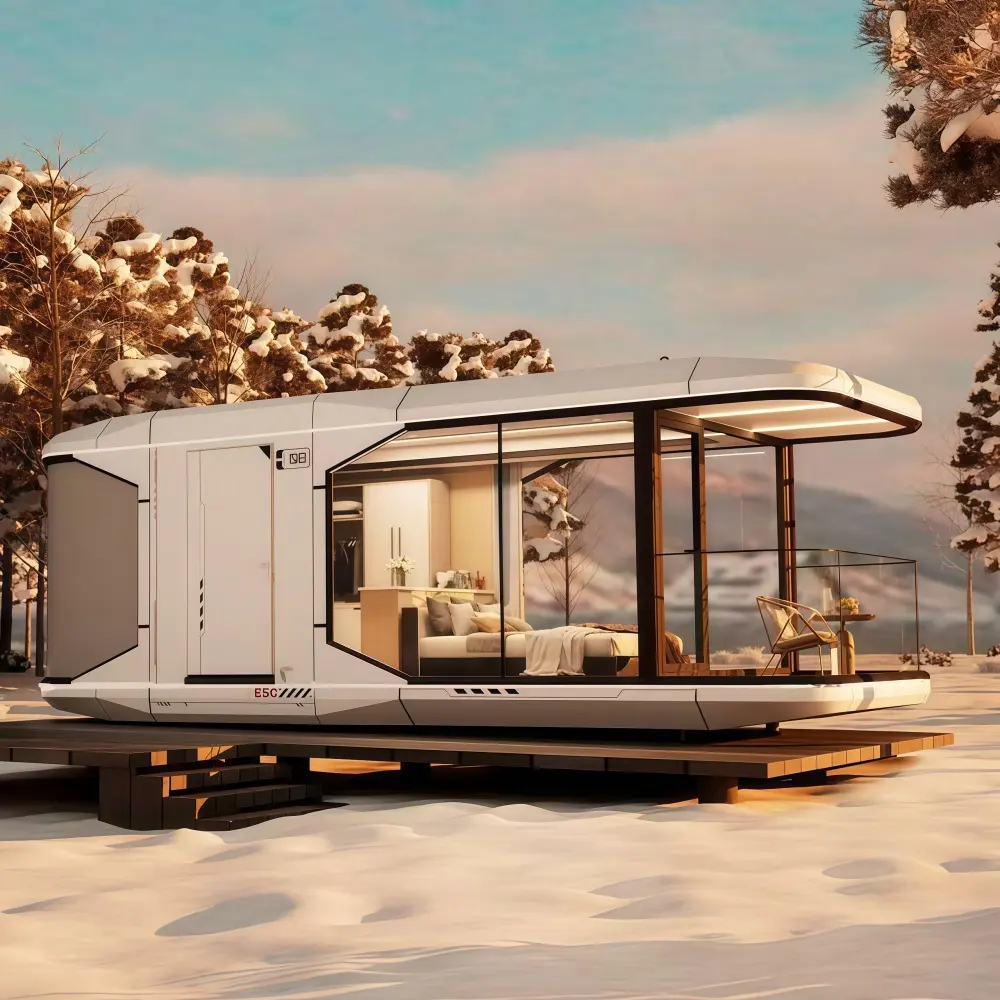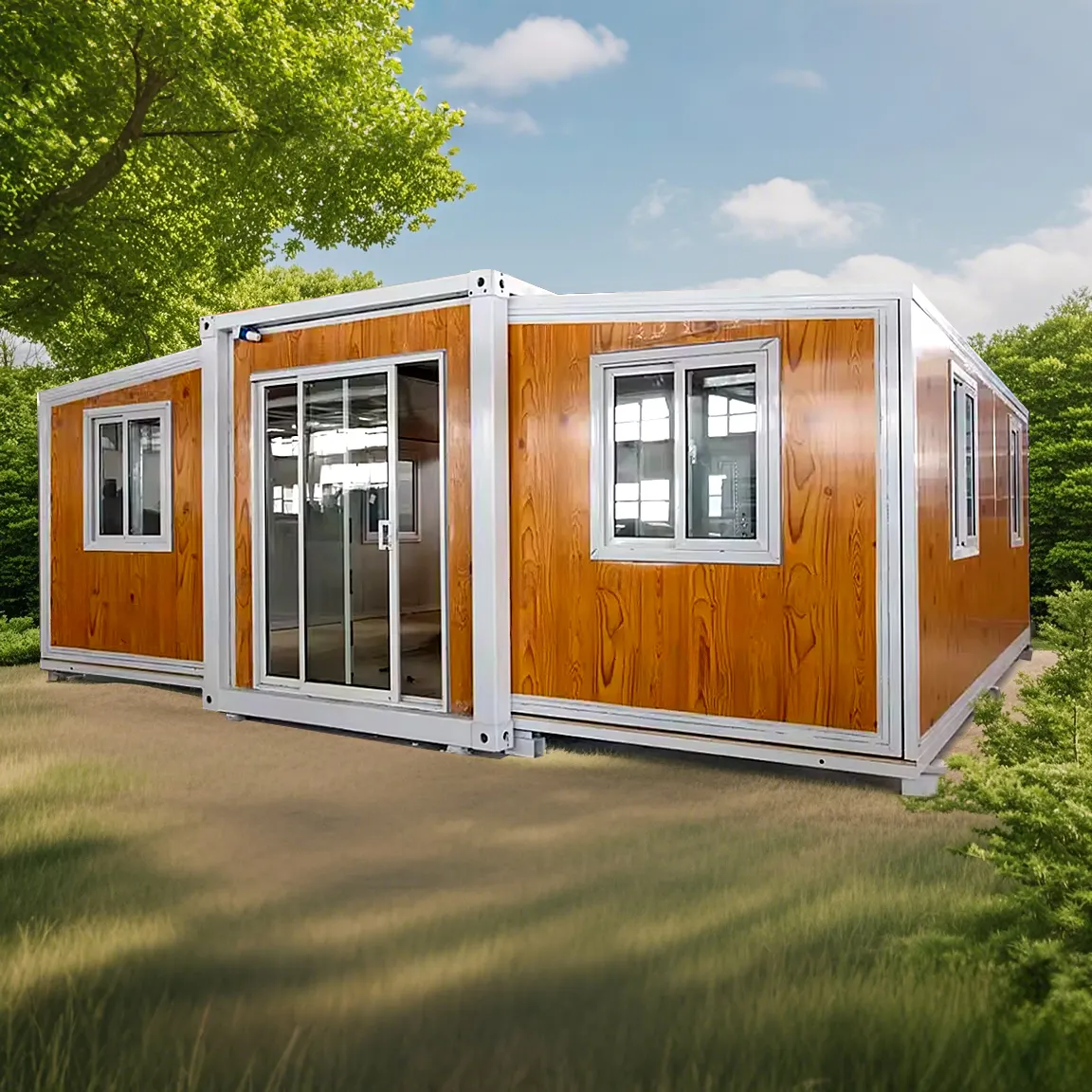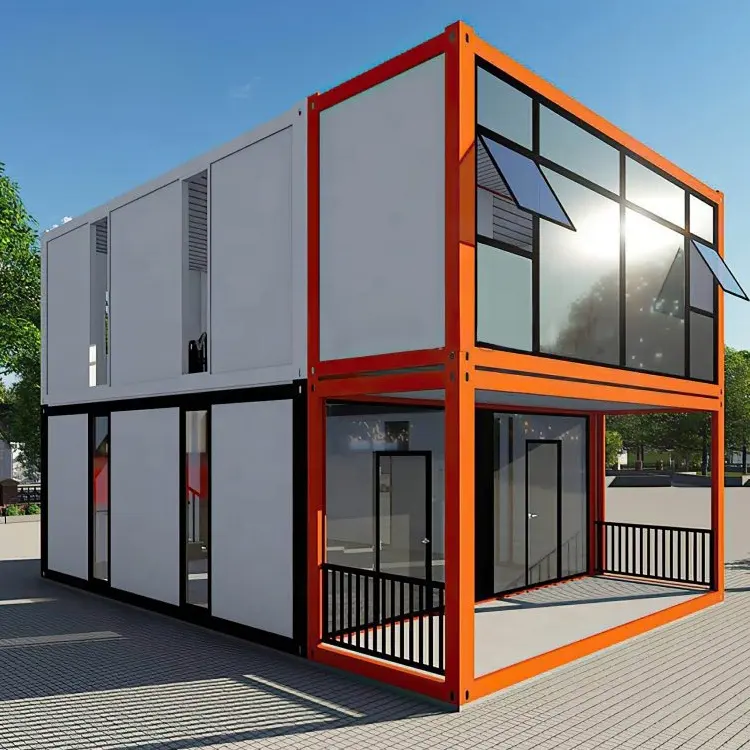
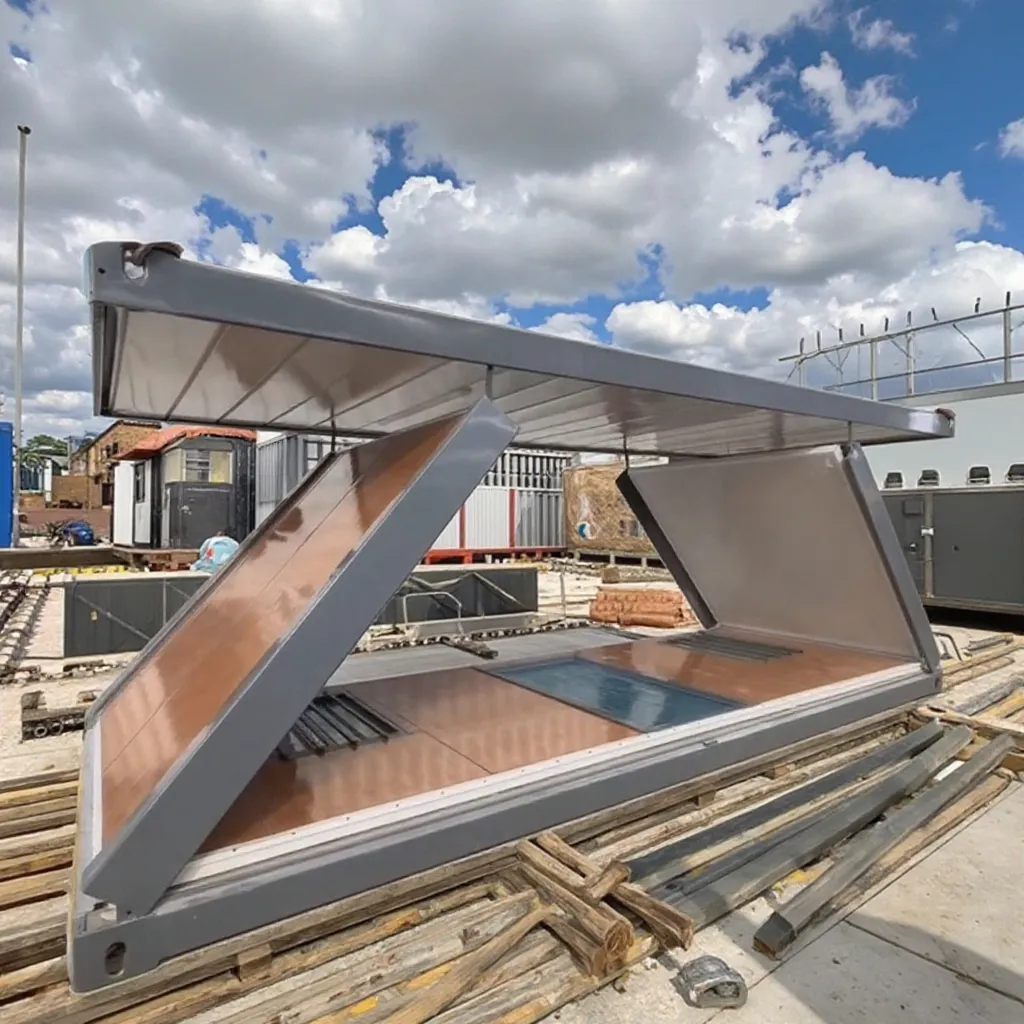
Are you in the market for a new home but tired of the same old construction methods? Prefab homes offer a refreshing alternative that blends innovative design with practical benefits. With a growing focus on sustainability and cost-effectiveness, these homes are rapidly gaining popularity among modern homebuyers. In this blog post, we’ll unpack the advantages of choosing prefab homes over traditional construction, highlighting why they may be the smartest option for your next dwelling. From quicker build times to customizable designs, you’ll find that prefab homes cater to a variety of needs and lifestyles. Ready to explore this exciting option? Let’s get started!
Speedy Construction
One of the most significant advantages of prefab homes is their construction speed. Traditional homes can take months, if not years, to complete due to weather delays, labor shortages, and other unforeseen issues. In contrast, prefab homes are built in a controlled factory environment, allowing for consistent quality and efficiency. Once the components are manufactured, they can be assembled on-site in a matter of weeks. This rapid turnaround means you can move into your new home sooner, reducing the stress and uncertainty often associated with homebuilding.
For example, while a conventional 2,000-square-foot home might take 7-9 months to build, a prefab home of similar size could be ready for occupancy in just 3-4 months. This efficiency is particularly valuable in today’s real estate market where timing can be critical for buyers who need to relocate quickly or want to take advantage of favorable interest rates.
Cost-Effectiveness
Prefab homes can be more affordable than their traditionally built counterparts. The streamlined construction process reduces labor costs, and the bulk purchasing of materials can lead to significant savings. Additionally, many prefab manufacturers offer transparent pricing, allowing you to stay within your budget without hidden fees. With rising construction costs, opting for a prefab home can be a smart financial decision, especially for first-time homebuyers or those looking to downsize.
The cost savings typically range from 10% to 25% compared to traditional construction, depending on the design complexity and location. Furthermore, the predictable timeline reduces carrying costs such as construction loans and rental expenses during the building process. Many prefab home manufacturers also provide financing options specifically tailored to their products, making the purchasing process even more accessible.
Sustainability and Energy Efficiency
As environmental concerns continue to grow, many homebuyers are seeking sustainable living options. Prefab homes often incorporate eco-friendly materials and energy-efficient designs, making them a greener choice. The controlled factory environment minimizes waste, and many manufacturers prioritize sustainable practices. Additionally, prefab homes can be designed with energy-efficient features such as solar panels, high-quality insulation, and energy-efficient windows, helping you reduce your carbon footprint and save on utility bills.
Some prefab manufacturers now offer net-zero energy homes that produce as much energy as they consume. These cutting-edge designs incorporate passive solar principles, advanced HVAC systems, and renewable energy technologies. The factory setting also allows for precise cutting and assembly, reducing material waste by up to 75% compared to on-site construction. For environmentally conscious homebuyers, this reduction in construction waste represents a significant advantage.
Customizable Designs
Gone are the days when prefab homes were synonymous with cookie-cutter designs. Today’s prefab options offer a wide range of customizable layouts, styles, and finishes. Whether you prefer a modern aesthetic or a more traditional look, you can work with manufacturers to create a home that reflects your personal taste and lifestyle. This flexibility allows you to design a space that meets your specific needs, from open-concept living areas to dedicated home offices.
Many prefab companies now employ architects and designers who specialize in creating distinctive, personalized homes. Virtual reality tools and 3D modeling software enable buyers to visualize and modify their homes before construction begins. From tiny homes under 400 square feet to luxury residences exceeding 4,000 square feet, prefab construction can accommodate virtually any size requirement or design preference.
Quality Control
Building a home in a factory setting allows for rigorous quality control measures that are often difficult to achieve on traditional job sites. Each component of a prefab home is constructed under strict guidelines, ensuring that materials meet high standards before they are shipped to the building site. This attention to detail can lead to fewer construction defects and a more durable final product, giving you peace of mind in your investment.
Factory environments also eliminate exposure to weather during critical construction phases, preventing issues like water damage, warping, or mold growth that can plague traditional construction. Many prefab manufacturers use advanced technology such as laser-guided cutting tools and computer-controlled machinery to ensure precision in every component. These quality control advantages typically result in homes that require fewer repairs and maintenance over their lifetime.
Reduced Environmental Impact
Prefab homes can have a lower environmental impact compared to traditional construction methods. The efficiency of factory production reduces waste, and many manufacturers use sustainable materials. Additionally, the shorter construction time means less disruption to the surrounding environment. For eco-conscious buyers, choosing a prefab home aligns with a commitment to sustainability and responsible living.
The reduced site impact is particularly valuable for building in environmentally sensitive areas or locations with minimal access. Since major construction activities happen off-site, there’s less soil erosion, vegetation damage, and habitat disruption. Some prefab designs also incorporate innovative features like rainwater harvesting systems, gray water recycling, and composting facilities that further reduce environmental impact during the home’s operational lifetime.
Versatility and Mobility
Prefab homes are not just for permanent residences; they can also serve as vacation homes, guest houses, or even mobile living spaces. Many designs are modular, allowing for easy relocation if your circumstances change. This versatility makes prefab homes an attractive option for those who value flexibility in their living arrangements.
The modular nature of prefab construction also facilitates future expansions or reconfigurations as your needs evolve. Need an additional bedroom or home office? Many prefab homes can be designed with future additions in mind. Some homeowners start with a modest prefab structure and gradually expand it over time, spreading the investment cost while maintaining architectural coherence.
Resilience and Durability
Modern prefab homes are engineered to meet or exceed local building codes, often resulting in structures that demonstrate impressive resilience against natural disasters. Many prefab manufacturers design their homes to withstand specific regional challenges, such as hurricane-force winds in coastal areas or enhanced fire resistance in wildfire-prone regions.
The factory-controlled environment allows for structural reinforcements and advanced building techniques that might be prohibitively expensive in traditional on-site construction. Some prefab homes incorporate steel frames, specialized anchoring systems, or impact-resistant materials that provide additional security and longevity, potentially resulting in lower insurance premiums and greater peace of mind for homeowners.
Conclusion
As you consider your options for a new home, it’s worth exploring the many benefits of prefab construction. With their quick build times, cost-effectiveness, sustainability, customizable designs, quality control, and resilience, prefab homes are proving to be a smart choice for modern homebuyers. Whether you’re looking for a primary residence, a vacation getaway, or a unique living space, prefab homes offer a compelling alternative to traditional construction methods. Ready to take the plunge? The future of homebuilding is here, and it’s more exciting than ever!