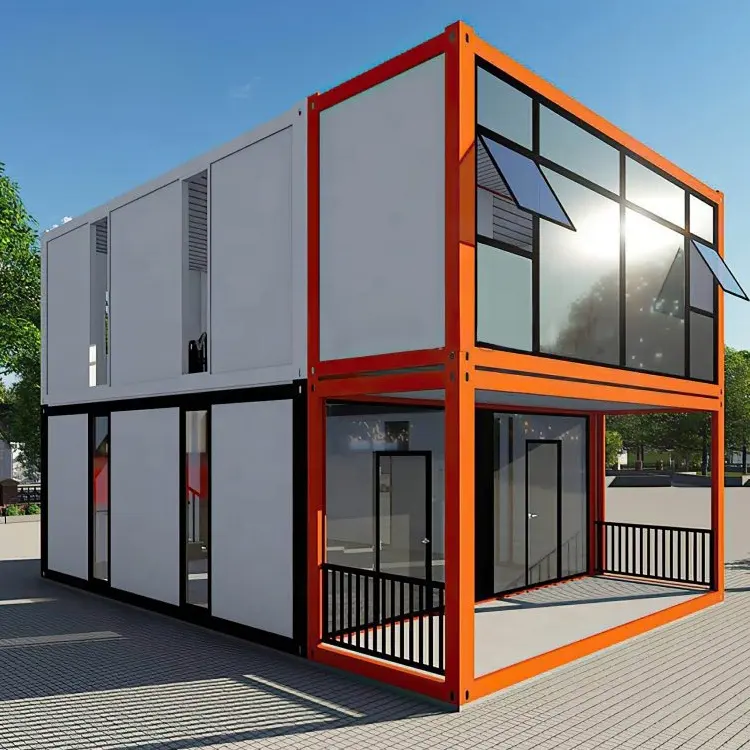

Have you ever dreamt of a home that combines speed, sustainability, and style? Prefabricated homes might just be the answer you’re looking for! As the housing industry evolves, these innovative structures are becoming increasingly popular for a multitude of reasons. In today’s blog post, we will delve into the advantages of prefabricated homes and how they can revolutionize the way we build and live. From construction efficiency to cost-effectiveness, we’ll highlight the key benefits that make prefabricated homes an attractive option for potential homeowners. Whether you’re curious about this modern building trend or ready to take the plunge into homeownership, this post is designed to provide you with all the information you need. Let’s explore the future of housing together!
Speedy Construction
One of the most significant advantages of prefabricated homes is the speed at which they can be constructed. Traditional home building can take months, if not years, to complete. In contrast, prefab homes are built in a factory setting, where components are manufactured simultaneously. Once the pieces are ready, they are transported to the site and assembled quickly. This streamlined process can reduce construction time to just a few weeks, allowing homeowners to move in sooner than they would with a conventional build.
Recent advancements in manufacturing technology have further accelerated this process. Computer-aided design (CAD) systems allow for precise measurements and seamless integration of components, eliminating delays caused by measurement errors or misalignments. For example, a recent case study from Sweden showed that a 2,000 square foot prefab home was completely assembled in just 10 days after the foundation was prepared, compared to the average 7-9 months for a traditional build of similar size. This rapid timeline means less time spent in temporary housing or paying both rent and a mortgage, which translates to significant savings for new homeowners.
Additionally, weather-related delays become virtually non-existent since the majority of construction occurs indoors. Rain, snow, or extreme temperatures don’t impact the production schedule, ensuring consistent progress regardless of outdoor conditions.
Cost-Effectiveness
Building a home is often one of the most significant financial investments a person will make. Prefabricated homes can offer substantial savings compared to traditional construction methods. Because they are produced in a controlled environment, there is less waste and fewer delays, which can lead to lower overall costs. Additionally, the efficiency of the assembly process means that labor costs are often reduced. Homeowners can enjoy a high-quality living space without breaking the bank, making prefab homes an attractive option for budget-conscious buyers.
The financial benefits extend beyond initial construction costs. Bulk purchasing of materials for multiple prefab homes allows manufacturers to negotiate better prices with suppliers, savings which are often passed on to the consumer. According to industry reports, prefabricated homes can cost anywhere from 10% to 25% less than traditionally constructed homes of comparable size and quality.
Financing options have also expanded for prefab homebuyers. Many banks and mortgage lenders now offer specific loan programs designed for prefabricated housing, recognizing their value and durability. Some manufacturers even partner with financial institutions to streamline the buying process, offering package deals that include both construction and financing.
Sustainability
In an era where environmental concerns are at the forefront, prefabricated homes stand out for their sustainability. The manufacturing process of prefab homes typically generates less waste compared to traditional building methods. Many companies also prioritize eco-friendly materials and energy-efficient designs, which can lead to lower energy bills and a reduced carbon footprint. By choosing a prefabricated home, you are not only investing in your future but also contributing to a more sustainable planet.
The precision of factory production means materials are cut exactly to specifications, reducing waste by up to 40% compared to on-site construction. Many prefab manufacturers now incorporate recycled and renewable materials into their designs, such as reclaimed wood, recycled steel, and low-VOC (volatile organic compound) paints and finishes.
Advanced insulation techniques are often standard in prefab construction, with some models achieving passive house standards that reduce energy consumption by up to 90%. Solar panels, rainwater collection systems, and smart home technology are increasingly being integrated into prefab designs, further enhancing their environmental performance. For the environmentally conscious homeowner, some manufacturers even offer carbon-neutral options where any emissions generated during production are offset through verified environmental projects.
Customization Options
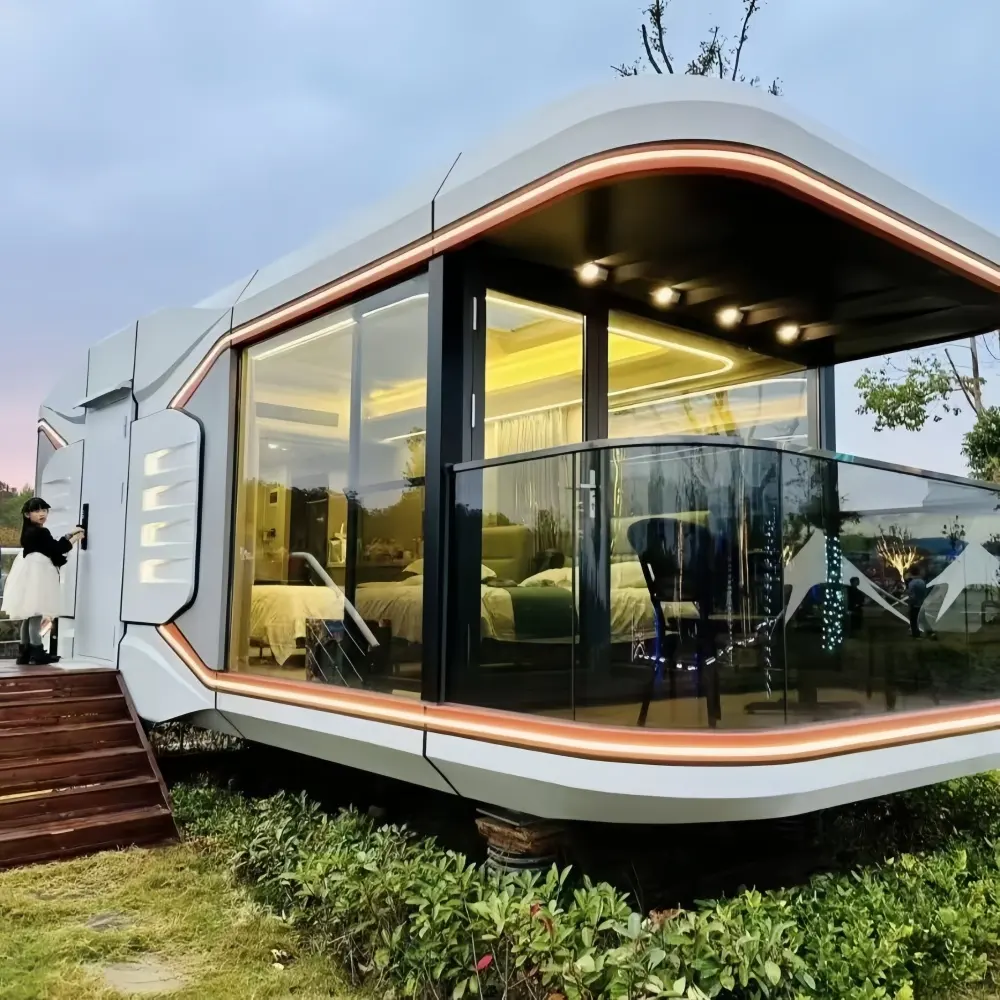
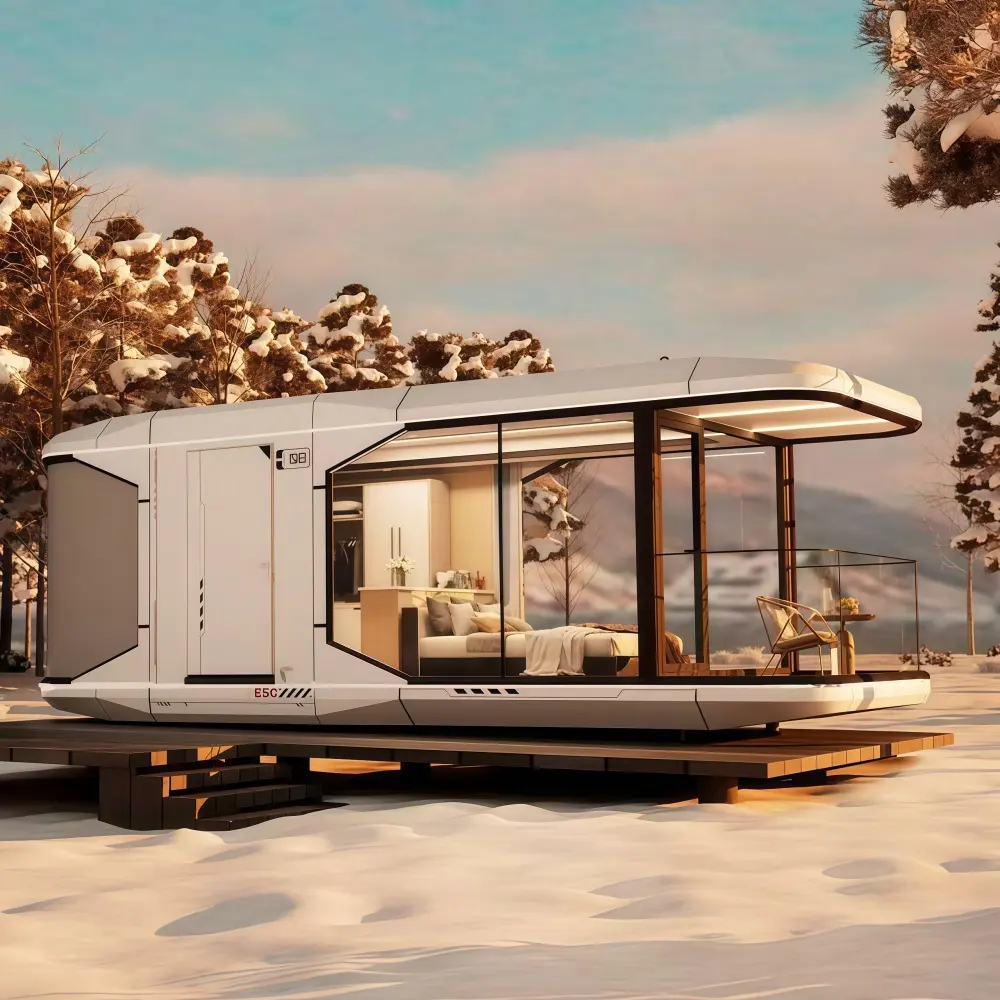
Contrary to the misconception that prefab homes are cookie-cutter designs, many manufacturers offer a wide range of customization options. Homeowners can choose from various layouts, finishes, and features to create a space that reflects their personal style and meets their specific needs. Whether you prefer a modern aesthetic or a more traditional look, there are countless options available to make your prefab house truly your own.
The customization process has become increasingly sophisticated, with many manufacturers offering 3D visualization tools that allow buyers to virtually walk through their future home before construction begins. From minor adjustments like counter materials and cabinet styles to major structural changes like room configurations and ceiling heights, the level of personalization available in today’s prefab market rivals that of custom-built homes.
Some companies offer a modular approach where buyers can select from a catalog of room types and arrange them according to their preferences, creating a truly unique floor plan. Others specialize in specific architectural styles, from ultra-modern minimalist designs to cozy farmhouse aesthetics, ensuring that there’s a prefab option for every taste and lifestyle.
Quality Control
Since prefabricated homes are built in a factory setting, they benefit from rigorous quality control measures. Each component is constructed under strict guidelines, ensuring that the materials used are durable and meet safety standards. This level of oversight can lead to a higher quality product compared to traditional construction, where factors like weather and site conditions can impact the building process.
Factory settings allow for precision tools and specialized equipment that might not be practical on a conventional construction site. Laser leveling, robotic assembly, and computer-driven cutting tools ensure each component meets exact specifications. Multiple inspection points throughout the manufacturing process catch potential issues before they become problems, leading to fewer defects and post-construction repairs.
Moreover, prefab structures are often built to withstand transportation stresses, which inadvertently makes them more durable than conventional homes. Many prefabricated homes are designed to meet or exceed local building codes, and some manufacturers even build to higher standards than required by law, particularly in terms of structural integrity and insulation values.
Flexibility and Mobility
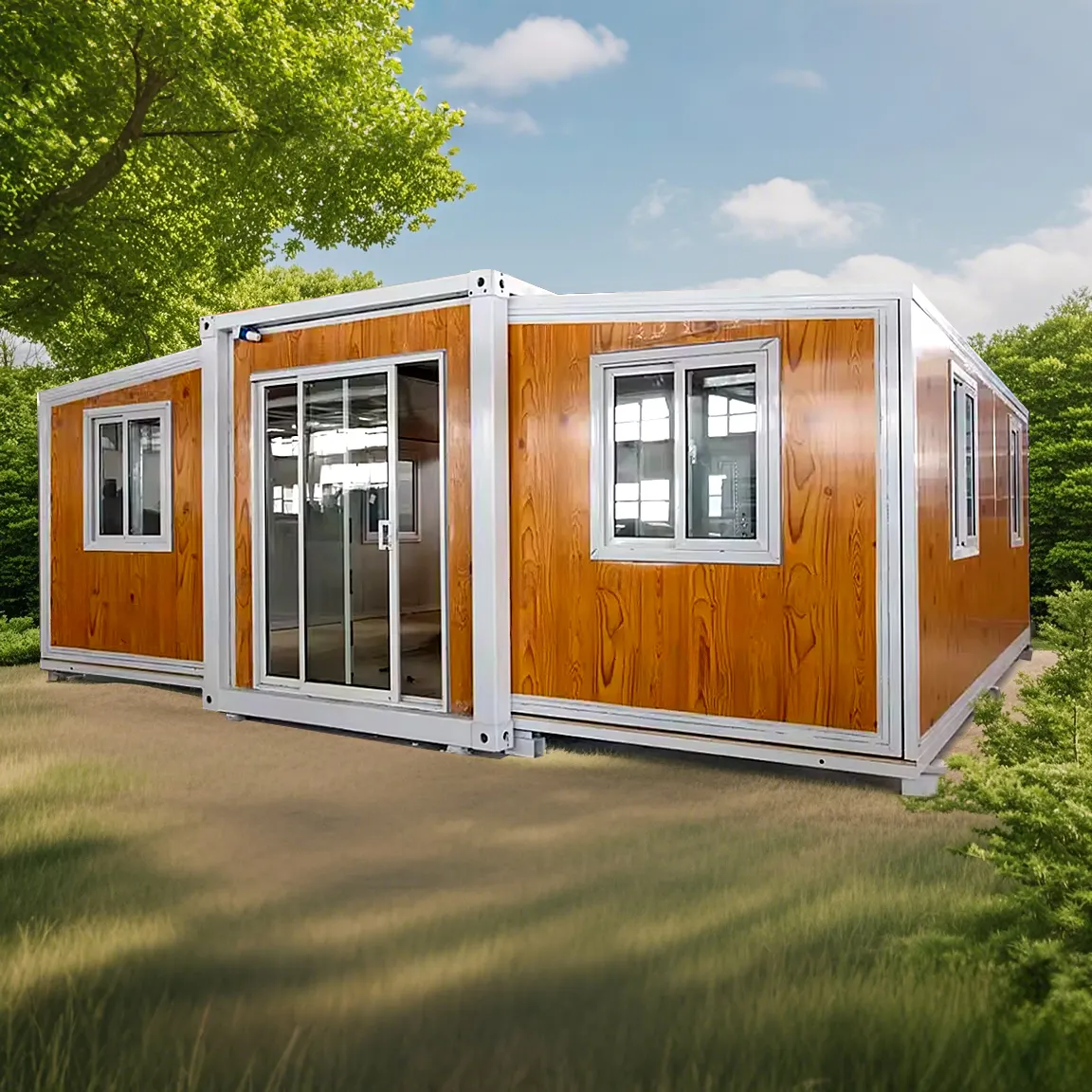
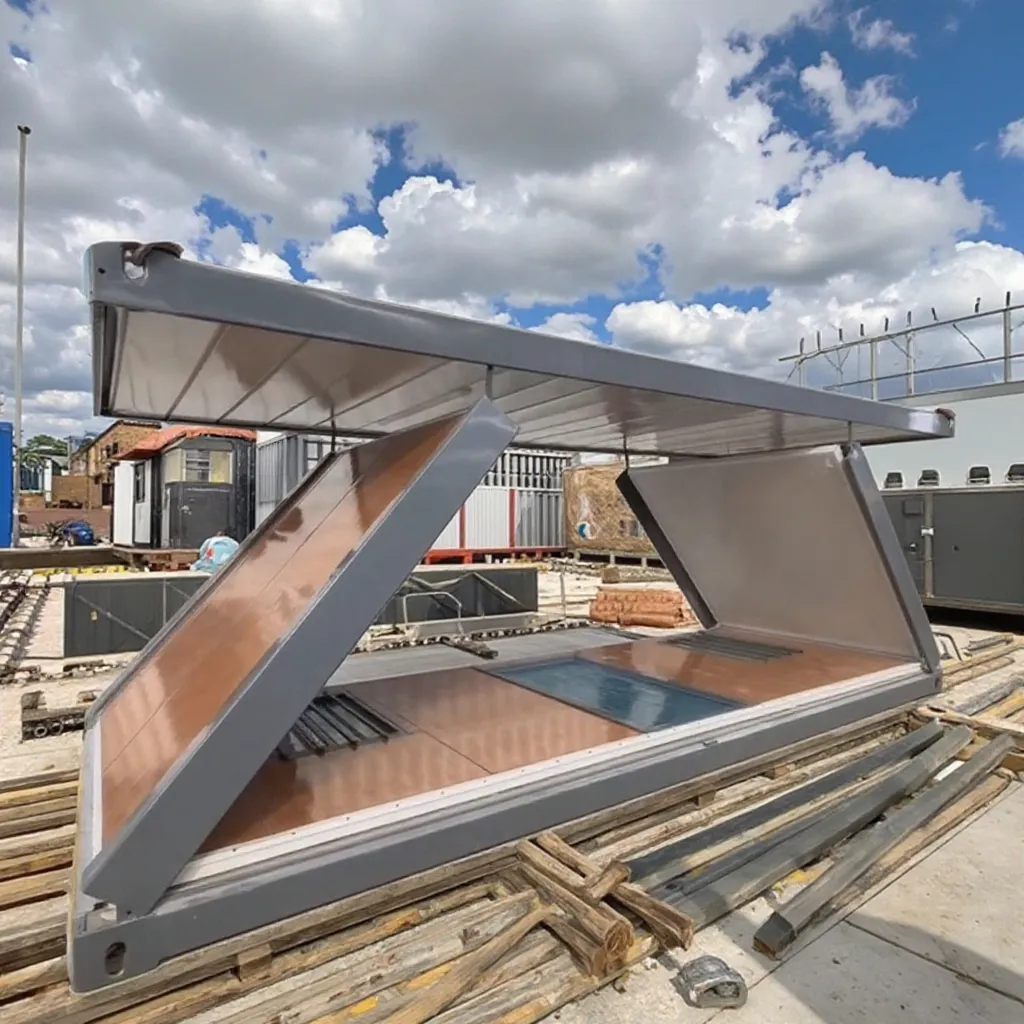
Another advantage of prefabricated homes is their flexibility. Many prefab designs are modular, allowing homeowners to easily expand or modify their living space as their needs change. Additionally, some prefab homes are designed to be mobile, making them an excellent option for those who desire a more nomadic lifestyle or want to relocate without the hassle of traditional home selling.
The modular nature of many prefabricated homes means that adding a new bedroom, home office, or extended living area can be accomplished with minimal disruption to existing spaces. Some homeowners start with a smaller footprint and expand over time as their families grow or financial situations improve, creating a home that evolves with their needs.
For those interested in off-grid living or building in remote locations, prefabricated homes offer practical solutions. Components can be transported to areas with limited access where traditional construction might be prohibitively expensive or logistically challenging. This has made prefab construction particularly popular in scenic but isolated areas where skilled labor and materials would otherwise be difficult to source.
Faster Return on Investment
With the reduced construction time and cost-effectiveness of prefabricated homes, homeowners can see a faster return on their investment. The ability to move in quickly means that you can start enjoying your new home sooner, and the potential for lower utility bills and maintenance costs can further enhance your financial outlook.
The energy efficiency of modern prefab homes contributes significantly to their long-term value. Lower utility costs not only reduce monthly expenses but can become a selling point if you decide to put your home on the market in the future. Many prefab homes now come with energy certifications that demonstrate their performance, adding to their resale value.
As prefabricated construction becomes more mainstream, property appraisers and real estate professionals are increasingly recognizing their value in the housing market. Recent studies indicate that well-designed prefab homes appreciate at rates comparable to traditional homes in the same neighborhoods, dispelling old myths about depreciation or inferior quality.
Conclusion
Prefabricated homes are revolutionizing the way we think about housing. With their speedy construction, cost-effectiveness, sustainability, and customization options, they offer a compelling alternative to traditional building methods. As the demand for innovative housing solutions continues to grow, prefab homes are poised to play a significant role in shaping the future of residential living.
The perception of prefabricated housing has evolved dramatically over the past decade, from being viewed as a compromise to being recognized as a forward-thinking choice that prioritizes efficiency, sustainability, and smart design. As more architects, designers, and builders embrace this construction method, we can expect even greater innovations in the prefab housing market.
If you’re considering a new home, exploring the world of prefabricated houses might just lead you to your dream home faster than you ever imagined. Whether you’re a first-time buyer, downsizing empty-nester, or simply looking for a more sustainable living option, prefab homes offer solutions that adapt to diverse needs and preferences. Embrace the future of housing and discover the many benefits that come with choosing a prefab home!